PIPS Workshop Urges Journalists: Handle Faith-Based Violations with Sensitivity and Critical Data for Impactful Reporting
 Imran
Imran
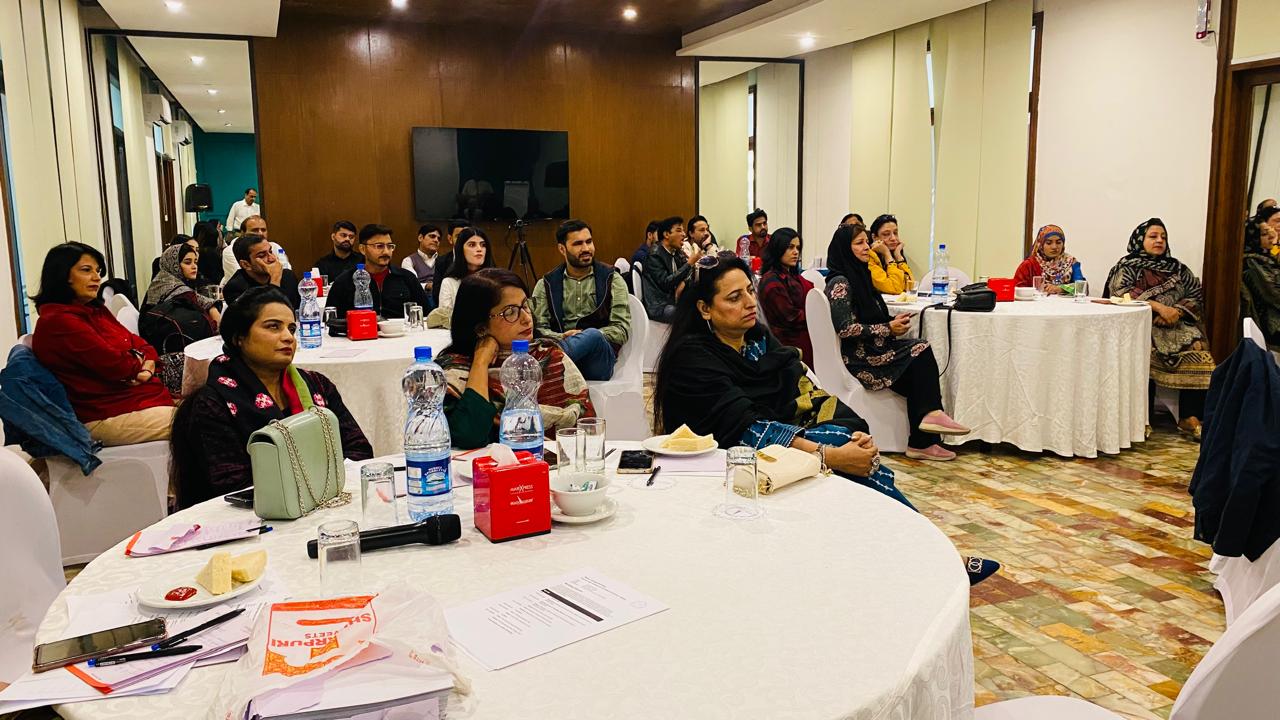
Media Experts Stress Caution and Critical Thinking for Reporting Faith-Based Persecution in Pakistan
KARACHI, December 8, 2025—Speakers at a media training workshop organized by the Islamabad-based Pak Institute for Peace Studies (PIPS) stressed the crucial need for journalists to adopt a sensitive, rational, and investigative framework when reporting on faith-based persecution and human rights violations in Pakistan.
The workshop, titled "Reporting Rights Violations and Faith-Based Persecution in Pakistan," was attended by journalists and social media content creators who participated in interactive discussions designed to share experiences and adopt best practices for balanced and impactful reporting.
Focus on Sensitivity and Rationality
Senior journalist and columnist Wusat Ullah Khan emphasized that the language used by journalists when covering issues concerning religious and ethnic minorities must be meticulously chosen.
"Their work should remain close to reality while maintaining a rational framework," he stated, adding that a journalist must fully "understand the sensitivities of any area while reporting on a certain issue."
Speakers collectively advised that journalists should move away from ‘loaded’ questions and instead pursue investigative lines of inquiry to uncover the truth behind incidents. Participants were also sensitized to methods for identifying and debunking fake news circulating on social media.
The Rise of Blasphemy Cases
Blogger and columnist Farnood Alam, in his session titled “Debunking the Blasphemy Gang,” shed light on the increasing vulnerability of youth to the anti-blasphemy law. He highlighted a concerning trend:
* The number of registered blasphemy cases has significantly increased manifold in the last five years compared to the previous years following the strict anti-blasphemy legislation implemented in the 1980s.
Alam provided practical examples of how individuals are "trapped on social media" and ultimately become victims of the law.
The Power of Data and Critical Thinking
In his concluding session, PIPS President Muhammad Amir Rana outlined two critical skills necessary for effective impact journalism:
* Critical Thinking: Essential for better analysis and effective reporting on rights violations.
* Accurate Data: The acquisition and use of verified data is crucial for impactful journalism.

Rana strongly advised participants to ensure that personal biases based on religious, ethnic, and political grounds do not reflect in their professional work.