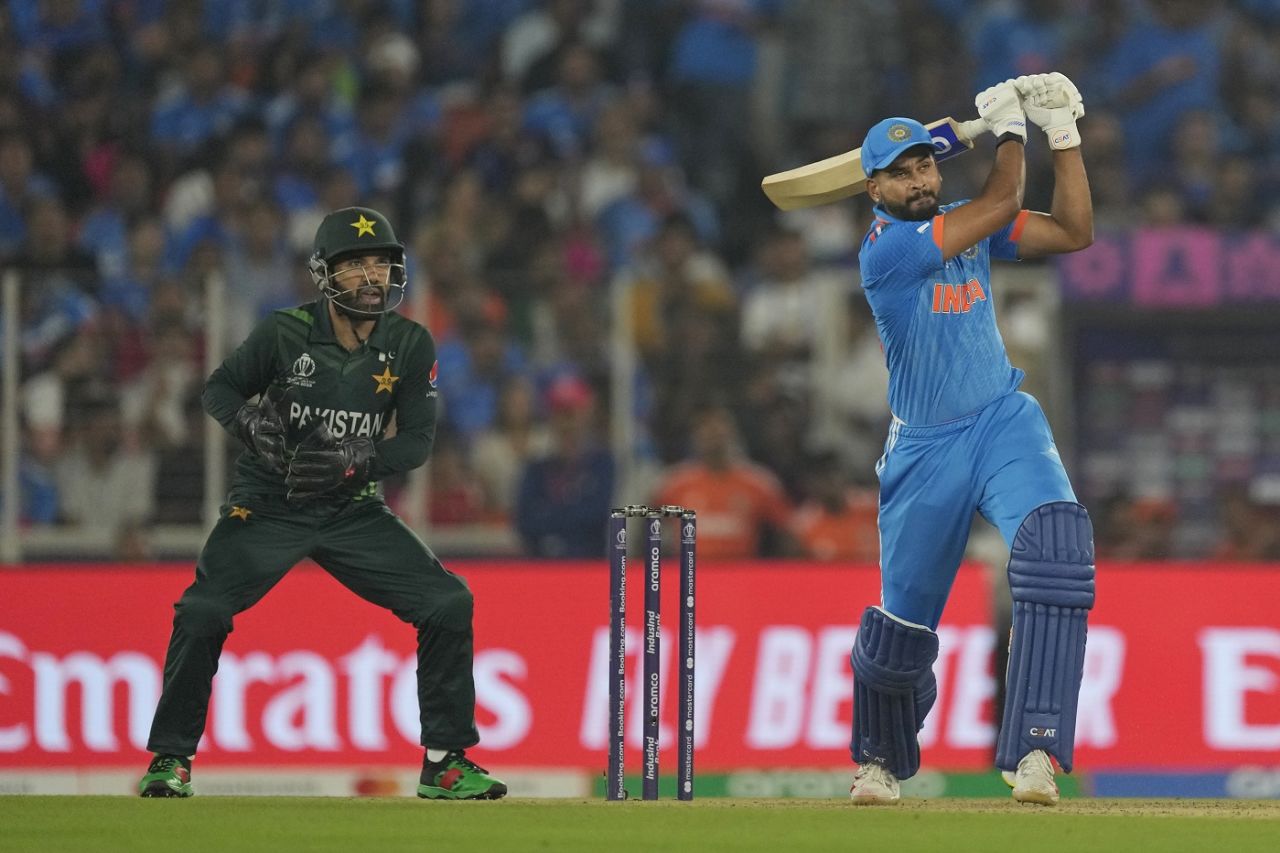
Kuldeep Yadav's Dominance and Pakistan's Spinning Woes: A Reflection on India's Victory* Pakistan's recent encounter with India in the ongoing World Cup has once again highlighted their struggle against the crafty left-arm wrist-spin of Kuldeep Yadav.

With statistics reflecting a dire tale of wickets falling like dominoes, it becomes evident that the lack of exposure to such bowling talent within the Pakistani cricket ecosystem might be a pivotal reason behind their consistent struggles.
In a staggering collapse, Pakistan stumbled from a promising 155-2 to a dismal 191 all-out, succumbing to a devastating eight-wicket tumble that placed them in the annals of their third-worst eight-wicket collapse in ODI history. The root of this downfall can be traced back to a sluggish 8-over phase where they managed a mere 29 runs at a subpar run-rate of 3.61, ultimately leading to a failed attempt at recovering momentum and succumbing to the pressure of Kuldeep's spin wizardry. The dominance of Kuldeep Yadav in the cricketing arena this year is unmistakable, marked by his impressive haul of 38 wickets in ODIs, making him the top-performing bowler globally. His recent feat against Pakistan, wherein he snatched seven crucial wickets while maintaining a miserly economy rate of 3.33, solidifies his status as a formidable force on the international stage. While contemplating the underlying reasons for Pakistan's struggles, it becomes apparent that the dearth of left-arm wrist-spinners within their own ranks has left their batters ill-prepared to counter the challenges posed by bowlers of Kuldeep's caliber. With only Faisal Akram and Sufyan Muqeem currently representing notable left-arm leg-spinners in Pakistan, the absence of sufficient exposure and practice against this unique style of bowling has left Pakistan's batting line-up vulnerable and exposed. The statistics from the match against India further accentuate Pakistan's plight, with a staggering 60 percent of their innings comprising dot balls, indicating a lack of initiative and proactivity in their approach.
The subdued batting display of Rizwan, who managed a meager 1 run off his last 13 balls, epitomizes the struggles faced by the team in maintaining momentum and sustaining a competitive edge. Contrastingly, India's dominance, led by the remarkable performance of Rohit Sharma, has been a stark reminder of their consistent prowess on the global stage. Rohit's recent achievements, including completing 300 sixes in ODIs and his exceptional track record against Pakistan, reflect his unwavering consistency and remarkable batting prowess.
As Pakistan gears up for their next challenge against Australia in the high-scoring ground of Bangalore, the need for a strategic overhaul and comprehensive preparation becomes imperative. With a sizable gap before their next match, Pakistan must utilize this time wisely to address their weaknesses, strategize against the challenges posed by adept spin bowling, and rejuvenate their approach to remain competitive in the World Cup.
Amidst the backdrop of the ongoing tournament, the disparity in the number of sixes hit by Pakistan compared to their counterparts serves as a glaring reminder of the need for a more aggressive and dynamic batting approach. As the competition progresses, Pakistan must recalibrate their strategy, harness their strengths, and work toward a more balanced and resilient performance to ensure a formidable presence on the international cricketing stage.