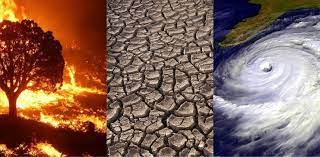
The Legal Void: Climate Refugees Face Uncertain Future Amidst Global Challenges No one can accurately predict the extent of displacement due to climate change by the middle of the century. Estimates range from 25 million to one billion people, highlighting the vast uncertainty surrounding this global crisis. The absence of legal categorizations for terms like "climate refugee" and "environmental refugee" further complicates the understanding of the practical consequences of climate change. This article explores the challenges faced by those affected, shedding light on the legal gaps and the need for international protection. The Legal Challenge: Climate Refugees Lack International Protection “Yes, there is a protection gap involving climate change refugees, but we don’t call them climate refugees for the reason that they are not covered by the 1951 [Refugee] Convention,” says Marine Franck, a climate change officer at the UN’s refugee agency, UNHCR. The existing treaty only extends protection to those fearing persecution based on specific grounds, leaving climate refugees without legal safeguards. This leaves vulnerable populations, like the Bangladeshis facing river erosion and the islanders of Kiribati, Nauru, and Tuvalu, without the ability to appeal for resettlement. Displacement on the Rise: The Growing Impact of Natural Disasters The Internal Displacement Monitoring Centre's 2015 report reveals that over 19 million people from 100 countries were forced to flee their homes in 2014 due to natural disasters. With one person displaced every second, the scale of the issue is immense. Despite the urgency, the recent United Nations climate change conference in Paris primarily focused on reducing greenhouse gas emissions, sidelining the critical issue of climate-induced displacement. The Road Ahead: Navigating a Complex Landscape for Climate Refugees Efforts to address the challenges faced by climate refugees are gaining momentum, with initiatives like the Nansen Initiative advocating for a comprehensive protection agenda. The Paris agreement, while lacking specific mentions of "refugees" or "migration," does call for a task force to address displacement related to climate change. The article delves into the proposed climate change displacement coordination facility and the multipronged approach suggested by the Nansen Initiative, emphasizing the importance of preparedness and development initiatives.

 Nadia Nawaz