LAUNCH OF H.M. DAHAR’S BOOK: "SINDH IRRIGATION ENGINEERING – HISTORY, THEORY, AND PRACTICE"
 Irfan Ali
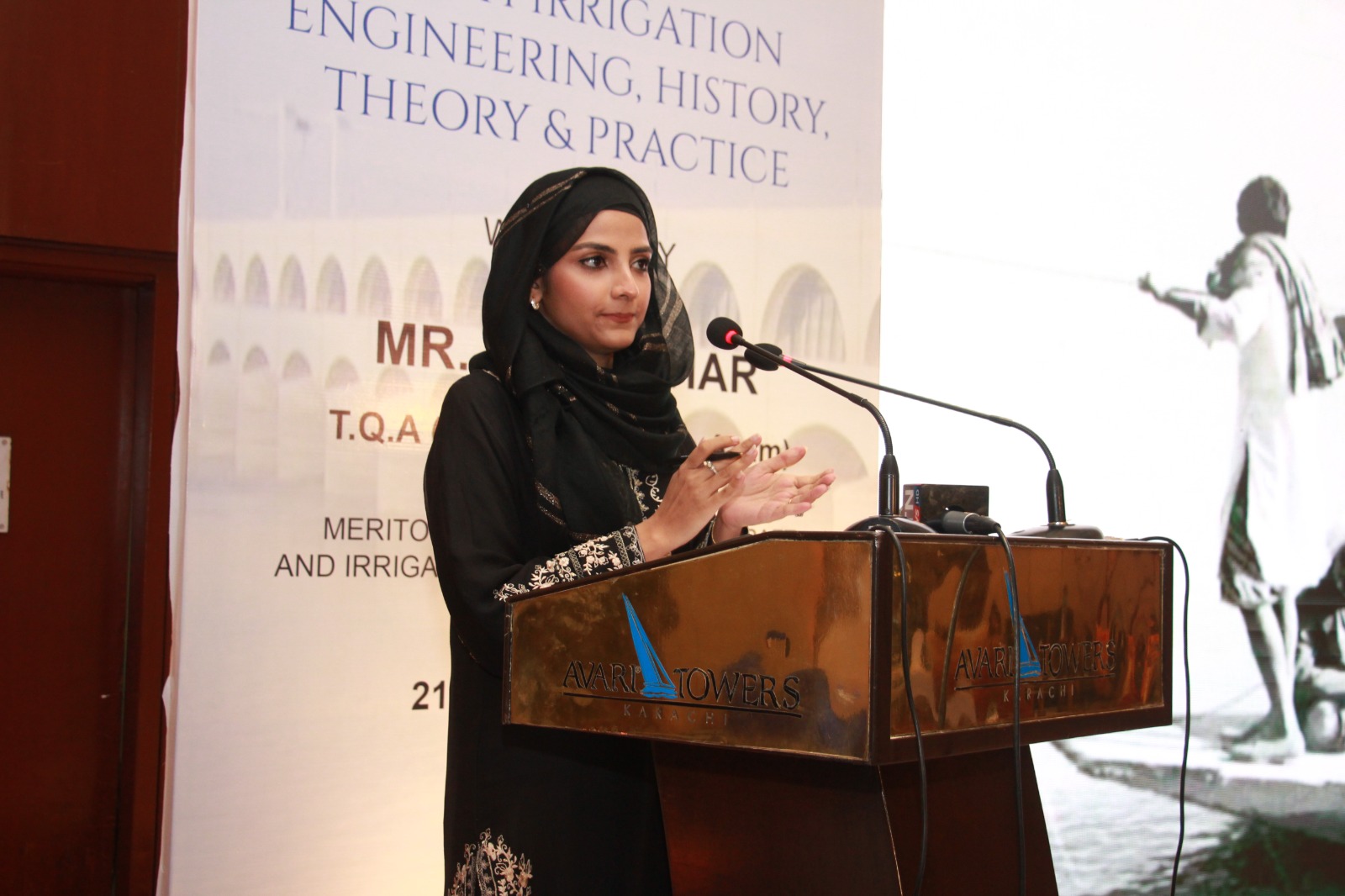
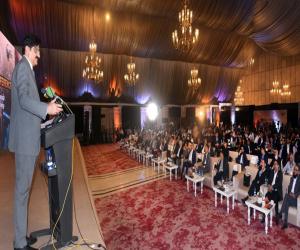
Karachi February 23: A prestigious event was held to mark the launch of the book Sindh Irrigation Engineering – History, Theory, and Practice, authored by the distinguished engineer H.M. Dahar. The ceremony was attended by prominent political and social leaders, as well as high-ranking bureaucrats, underscoring the book’s significance in the field of irrigation and engineering.

H.M. Dahar, a highly accomplished engineer, wrote the book between 1982 and 1986, drawing upon his extensive experience overseeing major irrigation projects in Sindh and West Pakistan.

The book offers an in-depth historical analysis of Sindh’s irrigation system, detailing the construction of the Sukkur, Kotri, and Guddu barrages and the complex network of canals that sustain the region’s agriculture.

Blending historical narrative with technical expertise, the book is an essential resource for engineers, policymakers, and anyone interested in Sindh’s irrigation heritage. It also highlights the contributions of government departments, engineers, and local communities in managing and benefiting from these water systems.

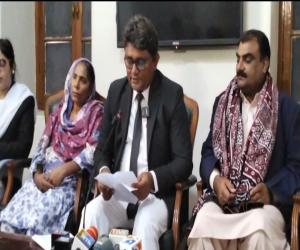
Several distinguished speakers addressed the audience at the event. Nazir Dahar, son of the late H.M. Dahar, spoke about his father’s remarkable contributions to the irrigation sector, notably his work on the Guddu Barrage project which earned him the prestigious Presidential Award – Quaid-e-Azam Award. In addition, other notable attendees who shared their perspectives included Dr. Abdul Rahim Soomro, Professor Ejaz Qureshi, Researcher Abrar Qazi, Water Resource Management expert Muhammad Ahsan Laghari, and Irrigation Department Secretary Zarif Iqbal Khero.
Dr. Shireen Narejo, Chairperson of the Chief Minister’s Inspection Team, stressed the need for innovation and research in the irrigation sector, stating,
"If we do not embrace modernity and research, we will fall far behind."
The launch event served as a tribute to H.M. Dahar’s enduring legacy and the critical role of irrigation engineering in Sindh’s development.

The book is anticipated to be a valuable resource for engineers, researchers, and historians alike, preserving vital knowledge for future generations.