Hoor Ul Nisa Palijo: The Unquenchable Flame of Sindh’s Revolution
 Chehra WebDesk
By Kalavanti Raja
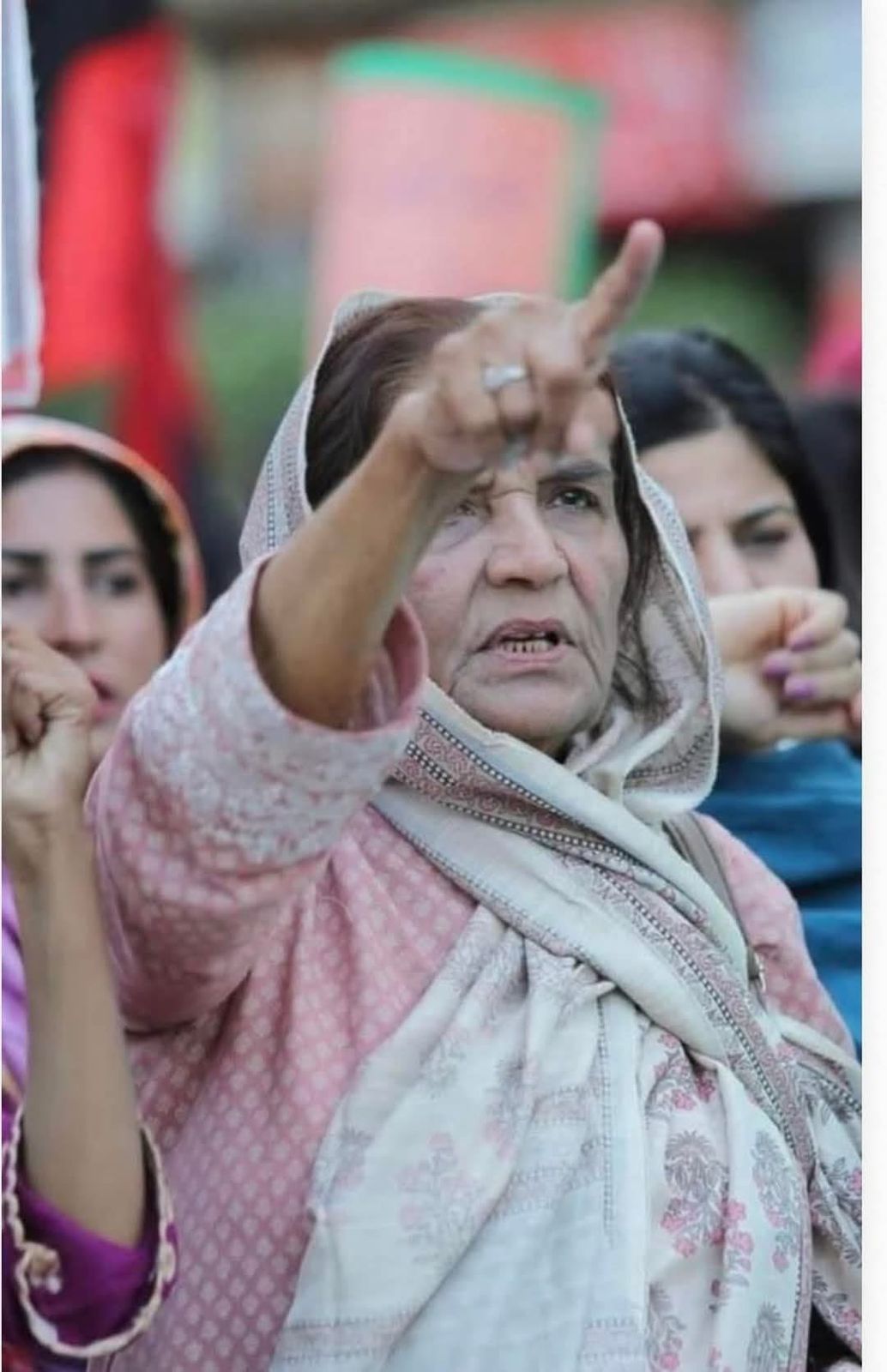
In the heart of Sindh, where the Indus River carves a lifeline through sun-baked plains and ancient villages pulse with stories of resilience, Madam Hoor Ul Nisa Palijo stood as a towering symbol of defiance and hope. Born on August 8, 1943, in the humble village of Mungar Khan Palijo near Jungshahi, Thatta, and passing on May 16, 2025, in Karachi’s Gulistan-e-Johar, Hoor—lovingly called Adi Hoor—was the heartbeat of the Sindhiyani Tahreek, a women’s movement that challenged the iron grip of patriarchy, feudalism, and authoritarian rule. A lifelong champion of the Marxist-Leninist-Maoist ideals shaped by her brother, Rasool Bux Palijo, she channeled those principles into action as Vice President of the Awami Tehreek. Her death leaves a profound void in the party and Sindh’s broader struggle for justice.
Hoor’s life was a testament to Sindh’s unbreakable spirit—from a barefoot girl navigating the dusty paths of her village to a revolutionary whose voice resonated in Moscow, London, Lahore, and Karachi. She was not just a leader but a cherished figure, a warm-hearted mother to all of Sindh, greeting everyone with kindness and fierce resolve. Her passing is a collective loss, yet her legacy burns brightly, a beacon for those who dare to dream of a freer, fairer world.
*A Rebel’s Roots*
Mungar Khan Palijo was a land of stark contrasts—where droughts parched the earth, winters chilled the bones, and tradition silenced women in the face of injustice. But in the Palijo household, a different story unfolded. Raised by her fiercely independent mother, Laad Bai, and inspired by her visionary brother Rasool Bux Palijo, a Sindhi nationalist and Awami Tehreek founder, Hoor defied the norms of her time. Rasool Bux ensured Hoor and her sister Ghulam Fatima received education in Thatta and Hyderabad, sowing the seeds of rebellion that would blossom into a lifelong fight for equality.
*Forging the Sindhiyani Tahreek*
In 1982, Hoor co-founded the Sindhiyani Tahreek, the women’s wing of Awami Tehreek, transforming it into a powerful force against gender oppression, feudalism, and dictatorship. Her leadership shone during the 1980s Movement for the Restoration of Democracy (MRD), a nationwide stand against General Zia-ul-Haq’s regime. Hoor tirelessly rallied rural women, weaving a network of resistance across Sindh’s villages and towns. With comrades like Mumtaz Nizamani and Zahida Sheikh, she empowered women to become architects of change, their voices rising in defiance.
As a lecturer in Thatta, Hoor turned classrooms into cradles of revolution, mentoring students like Kulsoom Palijo and Marvi. After teaching, she led them to protests, their “jail-bags” ready for inevitable arrests. From Larkana to Badin, these women transformed streets into stages of resistance and jail cells into schools of rebellion, singing anthems and studying political theory. Under Hoor’s guidance, the Sindhiyani redefined strength—bold, vocal, and unyielding.
*Defiance in Action*
Hoor’s courage was the stuff of legend. In one daring moment, while traveling by train from Hyderabad to Jungshahi, she and 17 comrades spotted soldiers signaling their arrest. Following the Tahreek’s policy against capture in remote areas, Hoor led the group to leap from the moving train near Latif Chang station. Bruised but unbroken, they reached a nearby village, where locals, despite their own hardships, ensured their safety. This act of fearless defiance defined Hoor’s life: resistance, no matter the cost.
*A Guardian of Sindh*
Hoor’s fight evolved with Sindh’s challenges. In her later years, she championed environmental justice, leading protests against the diversion of Indus River canals and corporate land grabs. In February 2025, despite frail health, she marched from Regal Chowk to Karachi Press Club, her resolve inspiring thousands. Even in her final days, Hoor answered every call of her party, her presence at rallies sparking courage and hope. She remained a fierce advocate for laborers, women, and the marginalized, guarding Sindh’s land, water, and dignity.
*A Scholar’s Soul*
Beyond activism, Hoor was a gifted writer and intellectual, whose work blended insight with emotional depth. Her numerous articles and columns, rich with perspective on Sindh’s socio-political struggles, deserve to be compiled into a book—a literary and historical treasure that would amplify her voice for future generations. Her close bond with Rasool Bux Palijo, the legendary thinker and Awami Tehreek founder, gave her a unique vantage point. Having spent significant time in his company, Hoor’s memories and reflections could form the basis of another vital work, capturing not only his personal and political dimensions but also the turbulent era they navigated together.
Hoor’s scholarly passion extended to Sindhi folk music, where her deep knowledge of its melodies, traditions, and cultural significance shone. This expertise, largely undocumented, holds immense value for cultural preservation. A book or study based on her insights would bridge a critical gap in Sindhi heritage, ensuring the richness of folk traditions endures. Through her writings and cultural contributions, Hoor shaped Sindh’s literary and political landscape, leaving a legacy that demands to be celebrated and shared.
*An Unfinished Story*
Tragically, much of Hoor’s story remains untold. Despite urgings from journalists and comrades, her journey—from village trails to global stages—exists in fragments. Her brother Rasool Bux left his autobiography incomplete, and comrades like Ghulam Fatima have yet to fully document their struggles. Hoor’s children, Dr. Shabana and Dr. Naeem, hold the key to preserving her legacy. Her life demands to be immortalized—in books, films, or poetry—to inspire activists and dreamers alike.
*Sindh’s Eternal Light*
Madam Hoor Ul Nisa Palijo was more than a revolutionary; she was Sindh’s soul. Her marches through scorching summers and bitter winters embodied the resilience of women who nurture families in hardship yet lead revolutions. As Sindh fights for its water, land, and rights, Hoor’s legacy is a guiding star—forged in courage, steeped in sacrifice, and bound by love for her people. Her comrades vow to carry her torch, ensuring her flame never fades.
We offer our deepest condolences to her family and the Awami Tehreek. The Sindhiyani Tahreek plans a grand event to honor Hoor and her fellow warriors, with certificates and shields to celebrate their sacrifices. Her story is a call to action: may her children and comrades weave her tale into a legacy that lights the path for generations. For every revolution lives on through its heroes, and Hoor Ul Nisa’s flame will forever lead Sindh toward justice and freedom.