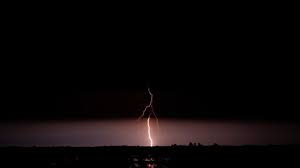
Bangladesh's Alarming Surge in Lightning Deaths Linked to Climate Change Bangladesh is grappling with a disturbing rise in lightning-related fatalities, attributed to the impacts of climate change. The country witnesses an average of 300 deaths annually, a stark contrast to the United States, which reports fewer than 20 lightning-related fatalities each year despite a larger population. A Wedding Turned Tragic: Mamun's Heart-Wrenching Tale On what should have been a day of celebration, Mamun's joyous wedding turned into a tragic funeral procession as 16 of his relatives fell victim to a lightning strike. This poignant incident sheds light on the devastating toll that lightning takes on families in Bangladesh. Mamun recounts the chaos and grief he witnessed as his family members, dressed in their finest attire, sought shelter from a sudden storm. The emotional aftermath, marked by funerals instead of festivities, underscores the profound impact of lightning tragedies on the lives of survivors like Mamun. Climate Change Amplifies Lightning Threat: A Growing Crisis The surge in lightning deaths in Bangladesh is not isolated but part of a larger trend. The reported deaths and injuries due to lightning have sharply increased, with climate change, according to experts from NASA, the UN, and the Bangladeshi government, being a significant factor. Bangladesh has officially recognized lightning strikes as a natural disaster, alongside floods, cyclones, earthquakes, and droughts. The majority of victims are farmers, making them particularly vulnerable during the rainy monsoon months. Urgent measures, from tree planting to building lightning sheds, are proposed to mitigate the impact and raise awareness about the dangers of lightning.

 Sabiha Rajpoot