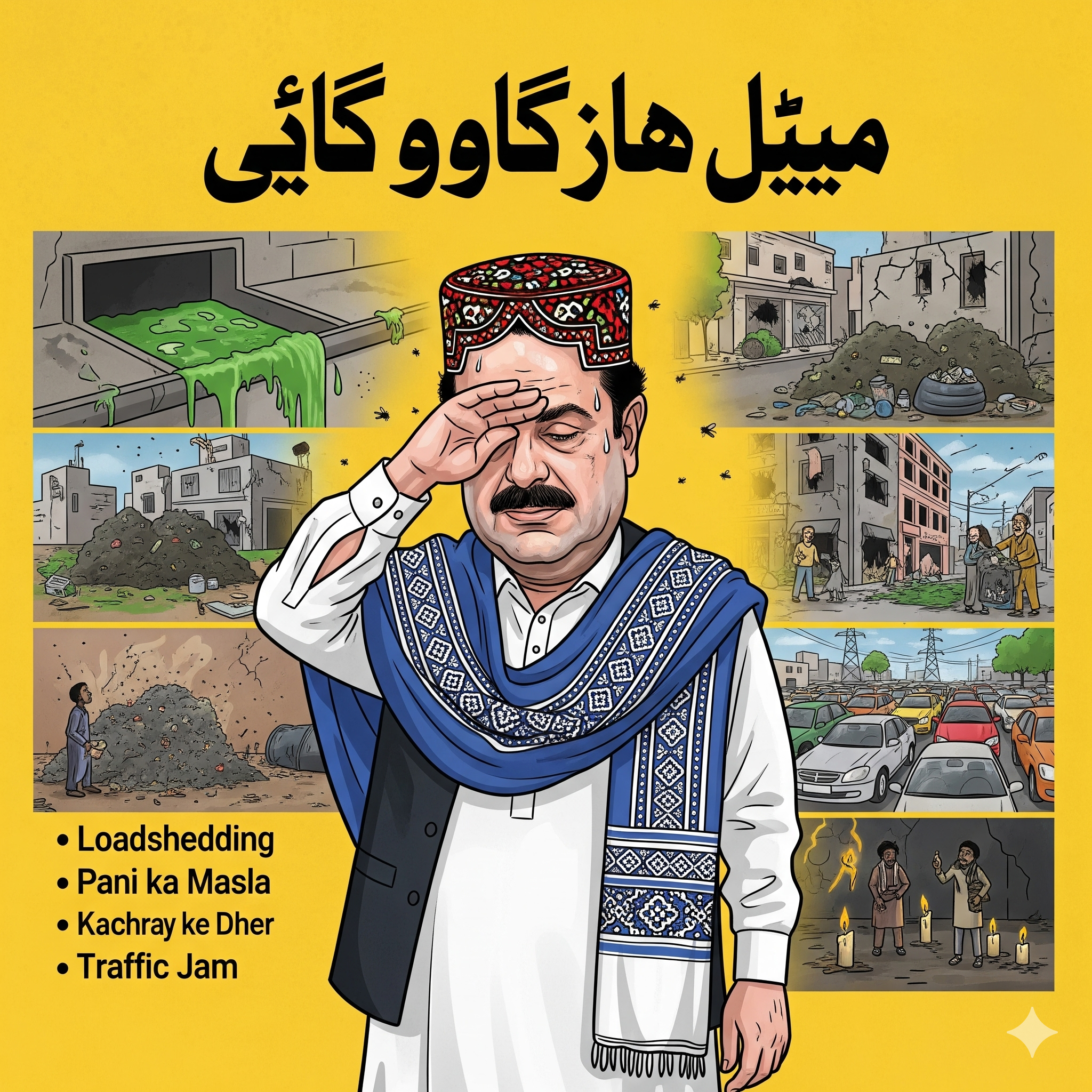
Hatred, Politics, or Negligence? A Layered Landscape of Criticism on the Sindh Government
 Adnan Athar
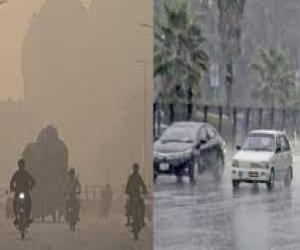
When a few drops of rain fall on the soil of Karachi, it’s not just the streets that flood—emotions overflow too. Sewers erupt, buildings tremble, and a storm brews across social media targeting the Sindh government. The question isn’t why criticism arises; the real question is why it often carries the sting of hatred. Is it merely administrative failure, or is there a deeper political and social fracture beneath the surface?
Rain and Helplessness: A Seasonal Trial or Governmental Failure?
Rain in Karachi brings the city to a standstill. Roads turn into lakes, electricity vanishes, and citizens are left in distress. This scenario repeats every year, and each time, the Sindh government is dragged into the courtroom of public opinion. Yet when similar rains hit Lahore or Islamabad, the media remains conspicuously silent. Is this not a double standard? Or perhaps an unwillingness to understand Karachi’s unique complexities?
Criticism or Prejudice? The Urdu-Speaking Community and the Sindh Government
It’s often observed that the sharpest criticism comes from the Urdu-speaking population. But is this purely a reaction to administrative shortcomings, or are ethnic sentiments also at play? Sindh’s culture, language, and political identity are frequently targeted—even though the same critics benefit from its land, resources, and services. Why then the cultural resistance? Is this a crisis of identity or the influence of political narratives?
The Shadow of Politics: PPP and the Media Trial
The Pakistan Peoples Party (PPP), Sindh’s largest political force, often finds itself in the crosshairs of media trials. Ministers’ statements are twisted, and every issue is laid at their feet. But if Sindh is truly failing, why do people from across the country flock to Karachi for healthcare, education, and employment? Doesn’t this prove that Sindh is rich in resources, even if its representation is weak?
Where Lies the Fault? Room for Reform or Just Blame?
It must be acknowledged that the Sindh government’s performance has its flaws. Sanitation, infrastructure, and urban services need improvement. But can reform be achieved through criticism alone? Or does a hateful narrative obstruct the path to progress? When criticism turns into personal, ethnic, or cultural attacks, the door to reform quietly shuts.
Comparison and Fair Analysis: Sindh vs. Other Provinces
A fair comparison reveals that every province faces challenges. Punjab battles floods, Khyber Pakhtunkhwa confronts terrorism, and Balochistan suffers from deprivation. Yet the intensity with which Sindh is targeted feels disproportionate. Is this merely political opposition, or is there a deeper resentment at play?
We Need Dialogue, Not Hatred
Criticism of the Sindh government is valid—but it must be constructive. Hatred, prejudice, and ethnic attacks not only worsen problems but also erode social harmony. We must craft a narrative that paves the way for reform, not one that builds walls of division.