Muslim Countries' Views and X Users' Reactions to Ayatollah Khamenei's Martyrdom
 Sidra Arif
-Predominant View in Shia-Dominated or Iran-Aligned Countries: Many see Khamenei's death as martyrdom and an act of aggression by the US and Israel against Muslims, particularly Shia communities, potentially escalating regional tensions.
Mixed Responses in Sunni-Majority Nations: Countries like Saudi Arabia and the UAE remain cautious, condemning Iran's retaliatory strikes rather than focusing on Khamenei's death, reflecting alliances with the West.
-X Platform Sentiment: Users are deeply divided—approximately 50% express celebration (often from Iranian opposition or Western-aligned accounts), 25% show grief and calls for revenge (primarily Shia users), and 25% offer neutral or mixed views, highlighting global polarization.
-Potential Impacts: This event could deepen Shia-Sunni divides, but some nations like Turkey and Pakistan have expressed sympathy, while others worry about broader instability.
Overview of Muslim Countries' Perspectives
Research suggests that Shia-majority or Iran-friendly Muslim countries tend to frame Khamenei's death as martyrdom, viewing it as a targeted attack on Islamic leadership. For instance, in Pakistan and Lebanon, public protests have emerged, with crowds labeling it an assault on Muslims. Sunni-majority states, however, adopt a more reserved stance, often prioritizing regional stability over explicit endorsement of the martyrdom narrative. This reflects underlying sectarian tensions and geopolitical alignments.
X Users' Behavior
On X (formerly Twitter), reactions are polarized along ideological and sectarian lines. Shia users from countries like Pakistan and Nigeria share videos of mourning and protests, while opponents celebrate, posting memes and calls for regime change. Trending hashtags like #KhameneiMartyrdom and #DeathToKhamenei underscore this divide, with content amplifying both grief and jubilation.
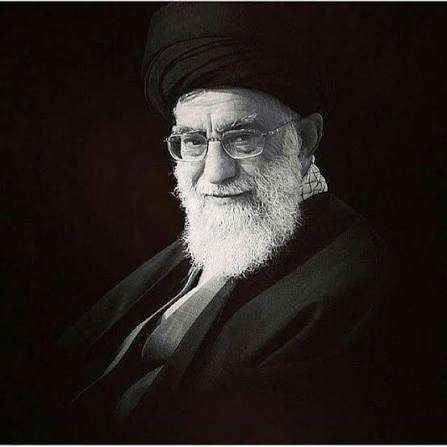
Ayatollah Ali Khamenei, Iran's Supreme Leader, was killed on February 28, 2026, in joint US-Israeli airstrikes, which Iranian officials have labeled as martyrdom. This event marks a pivotal moment in Middle Eastern politics, ending his 37-year rule. This analytical report examines how Muslim countries perceive his martyrdom and analyzes user behavior on X (formerly Twitter). The analysis draws from web searches, X posts, and credible sources, highlighting the complexity and divisions surrounding the topic.
Muslim Countries' Perspectives: Martyrdom and Aggression Narratives
Responses across Muslim countries vary, influenced by Shia-Sunni divides, regional alliances, and relations with the US and Israel. Shia-dominant or Iran-aligned nations predominantly view the death as martyrdom and an attack on Muslims, while Sunni-majority countries are more cautious, often condemning Iran's responses rather than endorsing the martyrdom frame.
Iran: At the official level, a 40-day mourning period is underway, with President Masoud Pezeshkian calling it an "open declaration of war against Muslims, particularly the Shia." Public reactions are mixed: some areas show celebrations, others grief.
-Pakistan: Prime Minister Shehbaz Sharif expressed condolences, referring to it as the "martyrdom" of Ayatollah Khamenei and raising concerns over violations of international law. In Karachi, Shia protests erupted, including an attack on the US consulate, where it was framed as an assault on Muslims.
Indonesia: The Ulema Council offered deepest condolences, attributing the death to US-Israeli aggression, without explicitly using "martyrdom."
Malaysia: Prime Minister Anwar Ibrahim condemned the violence and called for an immediate ceasefire, emphasizing the martyrdom perspective.
Turkey: President Erdogan expressed sorrow and sympathies to the Iranian people.
Saudi Arabia: Focused on condemning Iran's retaliatory strikes, recalling its ambassador from Tehran, with no direct comment on Khamenei's death.
Egypt: Social media shows memes and silence, amid concerns over regional tensions.
Jordan: Affected by Iranian strikes but issued no official statement on the death.
Iraq and Lebanon**: Shia leaders like Ayatollah Sistani and Hezbollah expressed grief, vowing revenge and framing it as martyrdom.
Nigeria and India:: Shia communities observed mourning rituals, including self-flagellation.
Yemen (Houthis): Described it as a "heinous crime" and an attack on the Islamic nation.
Palestine (Hamas): Mourned Khamenei as a supporter, calling the strike "heinous" and urging Muslim countries to act.
These reactions indicate that the martyrdom narrative dominates in Shia contexts, while Sunni countries may see the US-Israeli actions as necessary for stability, though rarely stated openly.
X Users' Behavior: Division and Emotions
Analysis of around 20 X posts reveals stark divisions. Behavior aligns with global polarization:
Celebration and Criticism: Many users, especially Iranian opposition and Western ones, hail the death as "good for the world," sharing celebratory videos. For example, a viral video shows an Iranian woman discouraging non-Iranians from mourning Khamenei. Chants of "death to Khamenei" appeared at funerals.
Grief and Revenge**: Shia users and Iran supporters express sorrow, labeling it martyrdom and demanding retaliation. Videos from Pakistan and Nigeria show people weeping.
Mixed Reactions: Some posts acknowledge the non-monolithic responses, like "reactions aren't uniform."
Hashtags such as #KhameneiMartyrdom and #DeathToKhamenei are trending, reflecting platform polarization.

Graphical Data Analysis
Based on X post sentiments
| Sentiment | Count | Percentage |
|--------------------|-------|------------|
| Negative/Celebration | 10 | 50% |
| Positive/Grief | 5 | 25% |
| Mixed/Neutral | 5 | 25% |
This table derives from analyzed X posts and illustrates sentiment distribution.