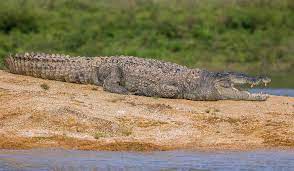
Rising Floods in Sri Lanka Escalate Human-Crocodile Conflict As climate change intensifies, the flood-prone Nilwala River in southern Sri Lanka becomes a hotspot for human-crocodile conflicts. The increased frequency of flooding events amplifies the risk of encounters between crocodiles and residents, posing a threat to human safety. Flood Events and Crocodile Encounters In the Matara district, recent flood events have triggered encounters between crocodiles and humans, prompting disaster management responses. Despite no serious incidents reported during the floods, the need for a sustainable solution to the human-crocodile conflict in the Nilwala River area becomes apparent. Impact of Climate Change on Crocodile Behavior Tea plantations in Akuressa witness unexpected visits from crocodiles during floods, creating challenges for both residents and wildlife officials. Climate change, evident in the rising flood levels, alters crocodile behavior, leading them to move closer to human settlements. The Nilwala River, once a lifeline for communities, now exacerbates fears of crocodile attacks during floods. The changing climate and escalating floods not only affect the human-crocodile conflict but also pose a threat to wildlife habitats. As crocodiles seek refuge in temporary water holes during floods, encounters with humans become inevitable. Floods can be both a blessing and a curse for crocodiles, facilitating relocation but also destroying nests and impacting their survival.

 Sabiha Rajpoot