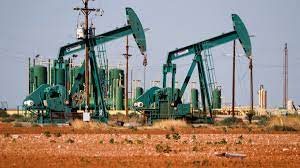
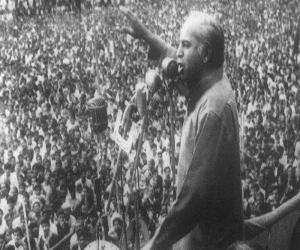
Climate Change Crisis Unveils Dystopian Reality: UN Human Rights Chief Urges Urgent Action Climate change has escalated into a global human rights emergency, with the United Nations human rights chief, Volker Turk, highlighting the severe impact on countries like Iraq. Turk pointed to the "spiralling damage" in Basra, Iraq, where drought, searing heat, extreme pollution, and fast-depleting freshwater supplies have created barren landscapes. Addressing the UN Human Rights Council, Turk emphasized that climate change is pushing millions into famine, destroying homes, lives, and opportunities, making it a pressing human rights concern. In the face of this environmental crisis, urgent action is crucial, according to Turk. Despite ambitious pledges by governments worldwide to curb greenhouse gas emissions, major hydrocarbon extraction projects persist, exacerbating the situation. The recent backing of the goal to triple renewable energy capacity by 2030 by the G20 leaders, however, lacked a commitment to a fossil fuel phase-out. Global Protest Against Fossil Fuels Gains Momentum: Climate Activists Demand Immediate Transition In response to the urgent need for action, the Climate Action Network announced global climate protests demanding an exit from coal, oil, and gas use. Millions of protesters worldwide are set to participate, coinciding with a key climate summit on September 20 in New York City. UN Secretary-General Antonio Guterres has called for increased ambition in the fight against climate change, following record global temperatures. Environmental groups like Greenpeace, Extinction Rebellion, and Friends of the Earth are rallying support for the demonstrations. Paris Agreement's Unmet Goals: Developing Nations Accuse Wealthy Countries of Hypocrisy The 2015 Paris Agreement aimed to limit temperature rise to 1.5 degrees Celsius above pre-industrial levels, requiring net-zero greenhouse gas emissions by 2050. However, the International Energy Agency warned against new fossil fuel extraction projects years ago to achieve this goal. At the UN COP27 climate summit, over 80 countries advocated for a fossil fuel phase-out, yet developed nations like the United States, Britain, Canada, Australia, and Norway persist in developing more fossil fuels, as stated by Oil Change International. The call for a phase-out of fossil fuels resonates in devastated regions like southern Pakistan's Sindh province, demanding accountability for the climate crisis from the fossil fuel industry and its supporters.

 Sabiha Rajpoot