Written and Research by Fouzia Jamil with technical support Online researches.
Solar Storm can Destroy the daily life sequences
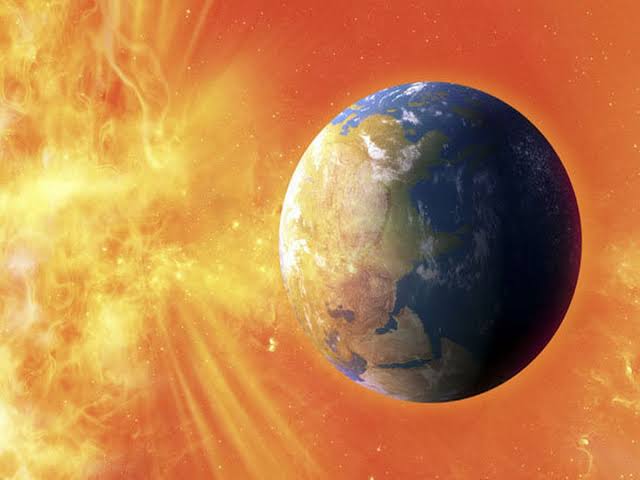
A solar storm is a term used to describe the atmospheric effects felt on Earth from certain events that occur on the Sun, such as according to NASA solar flares and coronal mass ejections .
Solar flares are giant explosions on the sun that send energy, light, and high-speed particles into space. These flares are often associated with solar magnetic storms known as coronal mass ejections (CMEs). Solar storms can also disrupt satellites and various forms of electronic communications. Solar storms occur when a buildup of magnetic energy on the sun is suddenly released. They usually erupt from sunspots, temporary dark and relatively cool patches on our star's surface where the local magnetic field is very strong.
in detailed explanation we have to know about it that Solar flares are giant explosions on the sun. Solar flares are intense localized eruptions of electromagnetic radiation in the Sun's atmosphere, often accompanied by a sudden release of energy. They can emit a huge amount of energy, including X-rays, ultraviolet radiation, and visible light. If we see this in energy form Send energy, light, and high-speed particles are present into space. Solar flares can release a tremendous amount of energy, including high-energy particles like protons and electrons, which can travel at incredible speeds (up to millions of miles per hour!) into space. This energy and radiation can affect the Earth's magnetic field, radiation belts, and upper atmosphere.
Magnetic field can be describe in this process Associated with solar magnetic storms known as coronal mass ejections (CMEs). A CME is a massive cloud of plasma (ionized gas) ejected from the Sun's corona, the outer atmosphere. CMEs often accompany solar flares and can release billions of tons of plasma into space, interacting with the Earth's magnetic field and causing geomagnetic storms.
In other sides it can Disrupt satellites and various forms of electronic communications. According to NASA Solar storms can interfere with satellite communications, GPS signals, and even power grids. The energetic particles and radiation from solar flares and CMEs can damage electronic components, cause data errors, and disrupt radio communications.
Creation of magnetic energy in this process is a very serious issue. Solar storms occur when a buildup of magnetic energy on the sun is suddenly released. The Sun's magnetic field builds up energy over time, which can become unstable and suddenly release in a solar flare or CME. This energy release can propagate through space and affect the Earth's magnetic field and atmosphere.
According to astrologists Erupt from sunspots, temporary dark and relatively cool patches on our star's surface. Sunspots are regions of strong magnetic activity on the Sun's surface, often appearing darker due to lower temperatures. They are the source of many solar flares and CMEs, as the intense magnetic fields in these areas can become unstable and release energy.
According to Specialist To mitigate the effects of solar storms, we can take several steps:
1. Space weather forecasting
Improved prediction and monitoring of solar activity help us prepare for potential disruptions.
2. Satellite and electronics protection Shielding and redundant systems can reduce the impact of solar radiation and energetic particles on satellites and electronic devices.
3. Power grid resilience
Implementing grid management strategies and backup systems can minimize power outages and disruptions.
4. Communication backup plans
Having alternative communication systems and protocols in place can ensure continued connectivity during solar storms.
5. Radiation protection for astronauts and spacecraft:
Shielding and protective measures can safeguard both people and electronic equipment in space.
6. Research and development Continued study of solar storms and their effects helps us better understand and prepare for these events.
7. International cooperation Collaborative efforts among nations and organizations facilitate shared knowledge, resources, and strategies for addressing solar storm impacts.
8. Public awareness and education Informing the public about solar storms and their effects helps reduce panic and promotes preparedness.
By taking these steps, we can reduce the risks and consequences associated with solar storms and minimize their impact on our technological infrastructure and daily lives.
Solar storms can have various effects on the environment
Like Disruption of Earth's magnetic field Solar storms can cause geomagnetic storms, which can alter the Earth's magnetic field, potentially affecting navigation systems, power grids, and communication networks. Secondly Increased radiation means Solar storms can increase radiation levels in the Earth's atmosphere, potentially harming living organisms, especially at high
Pakistan's Vulnerability Pakistan's infrastructure and technological systems are already vulnerable to various challenges, including power outages, communication disruptions, and natural disasters.
The country's limited resources and capabilities to mitigate the effects of a solar storm make it even more susceptible to the potential impacts. Need for Preparedness and
Mitigation
It is essential for Pakistan to take proactive measures to prepare for and mitigate the effects of a solar storm, including. Implementing backup systems and redundancy in critical infrastructure, conducting regular maintenance and upgrades of technological systems, developing emergency response plans and conducting drills, raising awareness and educating the public about the potential effects of a solar storm. Solar storm can have various effects on animals and plants, including:
Animals
According to biologists disrupted Migration Patterns Solar storms can alter the Earth's magnetic field, which many animals rely on for navigation during migration. This can cause confusion and disorientation, leading to changes in migration routes and timing.
Behavioral Changes
Solar storms can affect the behavior of some animals, such as birds, turtles, and fish, which may become more active or change their feeding patterns. Communication Disruptions Solar storms can interfere with the communication systems of some animals, like whales and dolphins, which use magnetic fields for communication.
Increased Stress
Solar storms can cause stress in animals, leading to changes in their physiological and behavioral responses.
Impact on Honeybees Solar storms can affect the navigation and communication systems of honeybees, potentially impacting their ability to pollinate plants.
Plants According to botonilogist many changes and effects can occur in plants by solar storm, like changes in growth pattern, solar storms can affect the growth patterns of plants, potentially altering their development and productivity, Disrupted Circadian Rhythms Solar storms can affect the internal biological clocks of plants, potentially disrupting their natural cycles and processes, Increased Oxidative Stress, Solar storms can cause oxidative stress in plants, leading to damage to their cells and tissues.
Impact on Photosynthesis Solar storms can affect the photosynthetic processes of plants, potentially impacting their ability to produce energy. Changes in Water Uptake Solar storms can affect the water uptake and transport in plants, potentially impacting their hydration and nutrient uptake. Some additional effects can be occur Changes in Soil Microbiology solar storms can affect the microbial communities in soil, potentially impacting nutrient cycling and plant-soil interactions, affect the pollination processes of plants, potentially impacting their reproductive success, affect the dynamics of forest ecosystems, potentially impacting tree growth, mortality, and regeneration.
It is important to note that the effects of solar storms on animals and plants can vary widely depending on the intensity and duration of the storm, as well as the specific species and ecosystems affected.
To reduce the chance of effects from solar storms, we can take some steps like, monitoring and Forecasting Improve monitoring and forecasting of solar activity to predict when a solar storm is likely to occur, Grid Resilience, Implement measures to make power grids more resilient, such as, Grid redundancy, Backup power systems, Surge protectors, Regular maintenance Protective Technologies, develop and implement protective technologies, such as Solar storm-resistant transformers surge protectors for electrical systems, radiation-hardened electronics, communication Backup, establish backup communication systems, such as satellite communication, emergency radio systems, backup internet connections, Space Weather Forecasting, establish space weather forecasting centers to provide early warnings for solar storms. We can take the more steps like, Public Awareness, educate the public on the potential effects of solar storms and the necessary precautions, Research and Development, do continuously research and develop new technologies and strategies to mitigate the effects of solar storms. Most powerful step should be International Cooperation, Can collaborate with other countries to share knowledge, resources, and best practices in mitigating the effects of solar storms, Regular Maintenance regularly maintain and upgrade critical infrastructure to ensure it is resilient to solar storms.
Emergency Preparedness, develop emergency response plans and conduct regular drills to prepare for potential solar storm events.
By taking these steps, we can reduce the chance of effects from solar storms and minimize the potential disruptions to our technological infrastructure and daily life.

 Fouzia Jamil