Launch of Roadmap for Addressing Domestic Violence in Sindh
 Imran
Imran
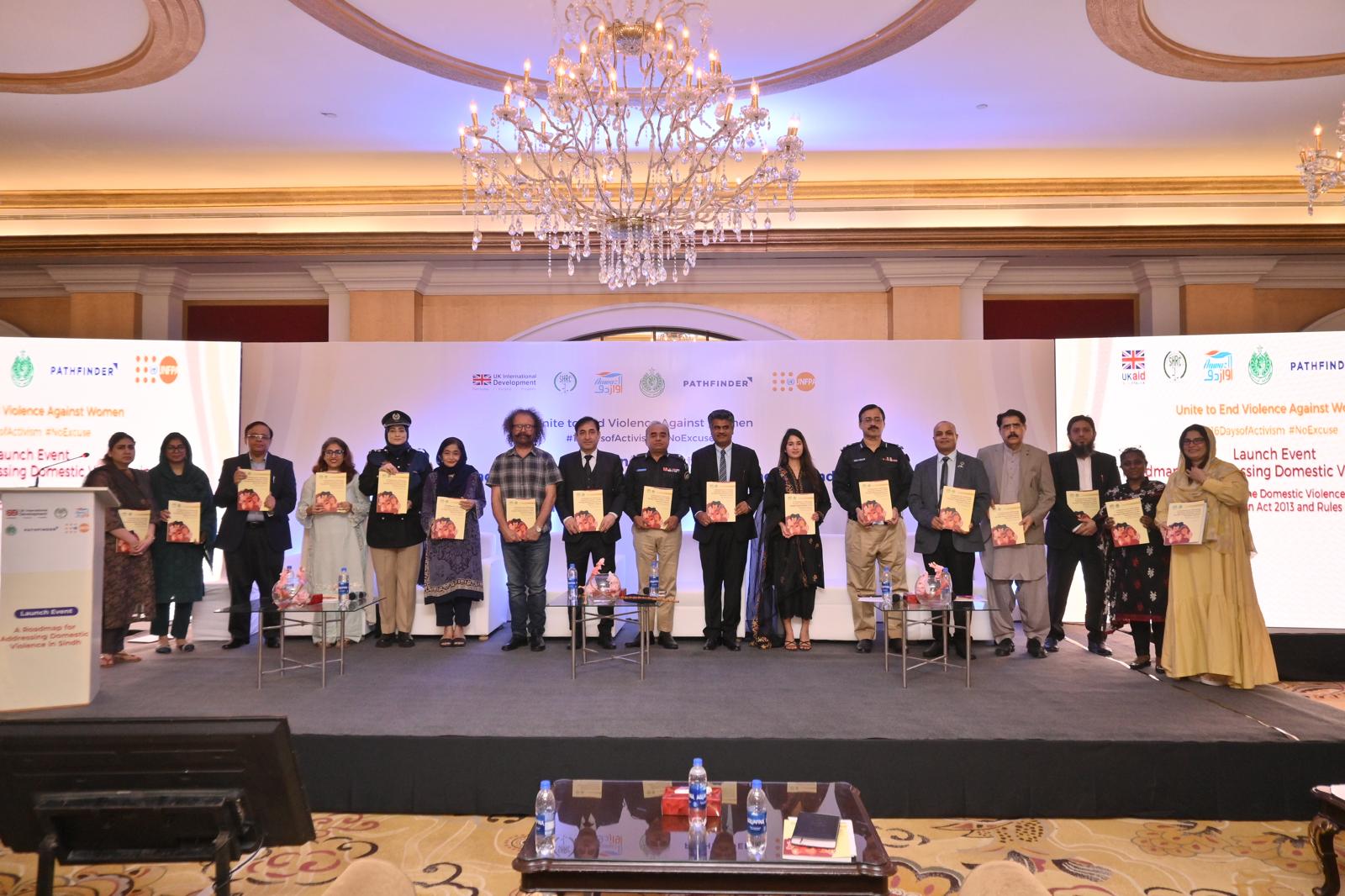
KARACHI, The Sindh Human Rights Commission (SHRC), the United Nations Population Fund (UNFPA), and Pathfinder International, supported by the Foreign, Commonwealth & Development Office (FCDO) under the AWAAZ II program, have officially launched the Roadmap for Addressing Domestic Violence in Sindh Through the Implementation of the Domestic Violence (Prevention and Protection) Act 2013 and Rules 2016. The launch event was held at the Mövenpick Hotel in Karachi on Monday, December 2, 2024.
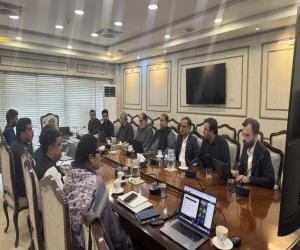
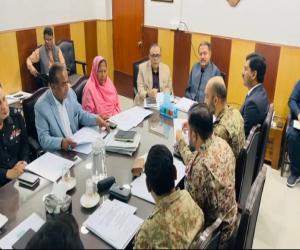
As part of the Sindh Government’s Technical Working Groups (TWG) under the Multi-Sectoral Coordination Committee (MSCC), which addresses gender-based violence (GBV), the SHRC led the development of the roadmap to address domestic violence in Sindh through a multi-sectoral approach. In collaboration with TWG partners, including UNFPA and Pathfinder International, the roadmap represents a unified approach to implementing practical solutions and actionable steps to improve the enforcement of the Domestic Violence law, ensuring better protection for survivors.
This initiative serves to align with the global priorities highlighted by the 2024 theme of the 16 Days of Activism Against Gender-Based Violence: “Unite to End Violence Against Women”, marking the 30th anniversary of the Beijing Declaration and Platform for Action.
The roadmap outlines concrete strategies for preventing domestic violence and protecting vulnerable individuals, thus making this launch a pivotal event within the global campaign against GBV.
The Chief Guest at the ceremony, Mr. Khadim Hussain Rind, Additional Inspector General of Sindh Police, was joined by the Guest of Honor, Tahseen Fatima, Secretary of the Human Rights Department, Government of Sindh.
Khadim Hussain Rind stated the urgency of empowering women experiencing GBV in Pakistan. He highlighted that the patriarchal mindset and language must change to bring in accountability into the society and protect the women from all forms of physical violence. The Addtional Inspector General stressed that there should be an immediate amendment in law to make violence against women a ‘non-bailable offence.’
During the event, SHRC Chairperson, Mr. Iqbal Ahmed Detho emphasized the Commission's critical role as a statutory body, fostering collaboration between civil society and the government to uphold human rights in Sindh. Gender expert, and author of the Roadmap, Barrister Rida Tahir, provided valuable insights on the roadmap, pointing out gaps in the current implementation of the Domestic Violence (Prevention and Protection) Act 2013 and Rules 2016. She highlighted the need to strengthen protection committees and improve police and judiciary training on women's rights and domestic violence laws.
Mr. Muqaddar Shah, Head of the Sindh Sub-Office at UNFPA, emphasised the role of the government in helping to address the issues of GBV, he stated that without the support of the Government, the donor agencies and civil society partners will not be able to achieve much since the Government has to help implement policies and legislations, he acknowledged the support of Government of Sindh and highlighted the importance of this roadmap towards the implementation of the Domestic Violence Law.
Ms. Madiha Latif, Country Director, Pathfinder International, spoke about the role MSCC has played in strengthening collaboration against GBV and thus contributing to the development of the Roadmap. Sindh Medico Legal Act 2023 was also passed by the relentless efforts of the MSCC which comprises of Government of Sindh, UNFPA, Legal Aid Society, Pathfinder International and Others. Ms. Latif announced the launch of the One Stop Protection Center in Hyderabad in collaboration with the Government of Sindh, Sindh Police, UNFPA and Pathfinder International in an effort to effectively address the numerous cases of GBV in the area.

The Roadmap brought together the strategic stakeholders from the government and civil society to collectively take forward the implementation of the Domestic Violence law. The Roadmap will facilitate the establishment and strengthening of an accountability mechanism for implementation of the Act not only in Sindh but all across Pakistan.