JSMU Hosts Conference Exploring Preventive, Equitable, Tech-Driven Healthcare Solutions for Pakistan
 Chehra WebDesk
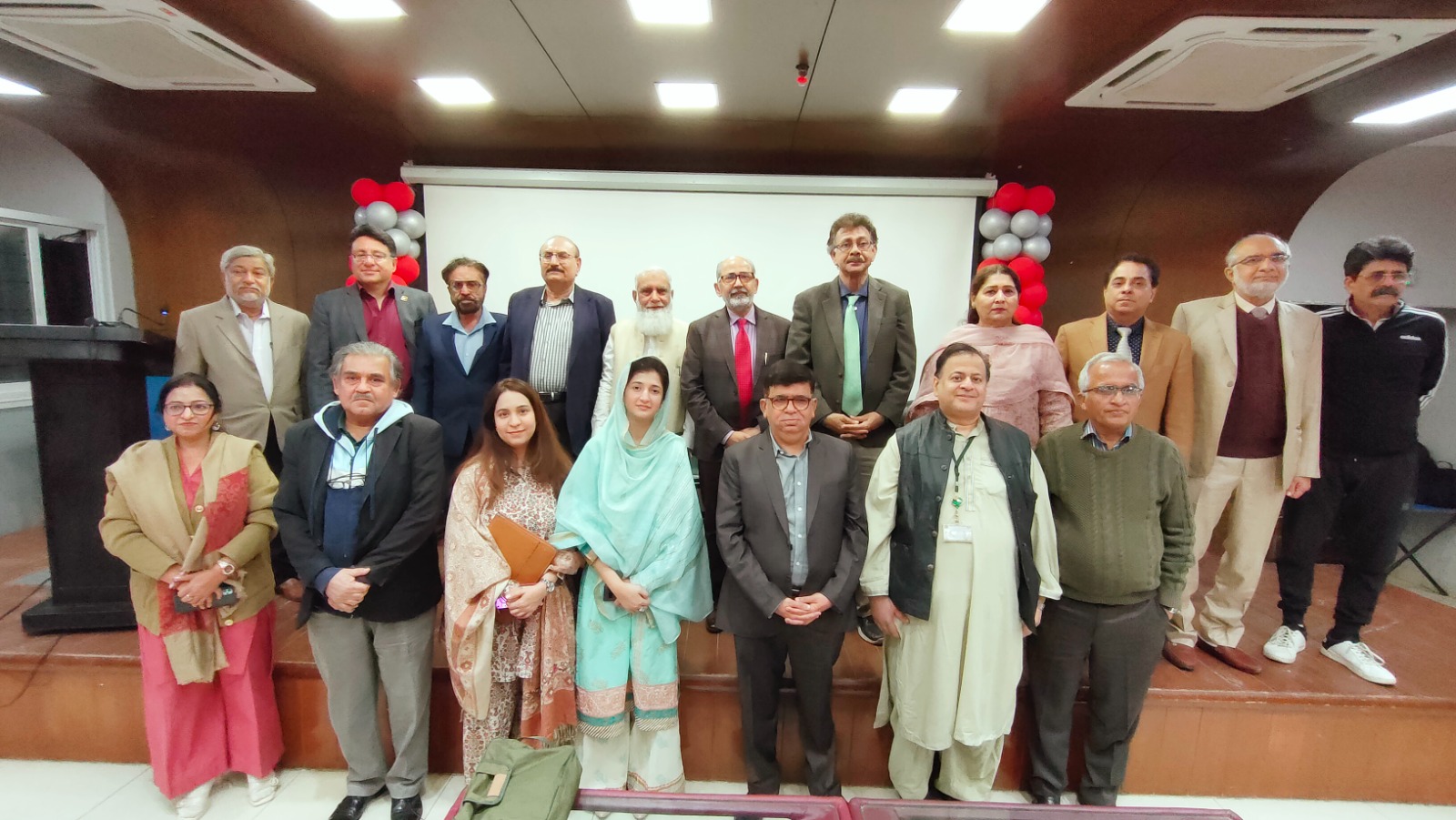
The Continuing Medical Education (CME) department at Jinnah Sindh Medical University (JSMU) recently hosted an "International Conference on Health Sector in Pakistan", bringing together leading experts and stakeholders to address the country's pressing healthcare challenges.

JSMU Vice Chancellor Professor Amjad Siraj Memon affirmed the university's leading role, stating “This conference marks the beginning of our concerted efforts to build a future where preventive care, equitable access, and cutting-edge technology converge to deliver the highest quality services to all citizens."
The conference highlighted key issues facing Pakistan's healthcare system, including underfunding, lack of rural access, and an overemphasis on curative rather than preventive care. Speakers outlined initiatives aimed at addressing these challenges.
To address preventive healthcare challenges, Dr. Qaiser Sajjad, expert ENT Specialist, said "The NRP (Non-Resident Pakistani) Initiative is working to reshape Pakistan's future healthcare system. It aims to improve the healthcare, agriculture, energy, and tourism sectors, with a focus on developing a comprehensive Preventive Healthcare System (PPHS) for Pakistan."
Prominent Pakistani-American philanthropist and health sector expert Dr. Maqsood Ahmed discussed the NRP Initiative's work to establish the country's first health bank. “NRP is also launching the International Institute of Behavioral Sciences (IIBS) to apply behavioral sciences towards addressing complex societal and health challenges”, he said.
JSMU alumnus Dr. Jabbar Khattak explained about the International Multilingual Telemedicine Centre (ITC) partnered with the National Center for Health Workers (NCHW) to revolutionize global healthcare through technology. With the WHO projecting a shortage of 18 million doctors, nurses, and other frontline healthcare professionals by 2030, ITC seeks to bridge accessibility gaps by providing multilingual telemedicine services. This will allow patients to receive quality preventive and curative care without geographical, linguistic, or cultural barriers, creating a virtual world where quality healthcare is accessible to everyone.

Dr. Rahat Naz, Director CME, emphasized JSMU's commitment to developing innovative solutions. "As the leading medical university in the region, JSMU is committed to convening experts and stakeholders to improve healthcare access and outcomes across Pakistan. This conference is a critical step towards reshaping the country's future healthcare system to be more preventive, equitable, and technology-driven."

The event culminated in a panel discussion moderated by Dr. Qaiser Sajjad, featuring experts like Dr. Maqsood Ahmed, Vice Chancellor of Sir Syed University Dr. Munnawar Hussain, Dr. Jabbar Khattak and CEO of Essa Lab Dr. Farhan Essa. They explored preventive measures and the importance of advancing healthcare technology. Dr. Sohail Aman from US, Dr. Nadeem Qamar from Pakistan were also in attendance.
By fostering collaboration between local and international partners, the conference laid the groundwork for transformative initiatives that could dramatically improve preventive care, accessibility, and overall health outcomes for the people of Pakistan.