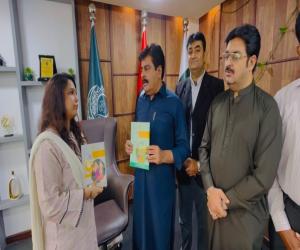
The COVID-19 pandemic has deeply affected every segment of society
 Sidra Arif
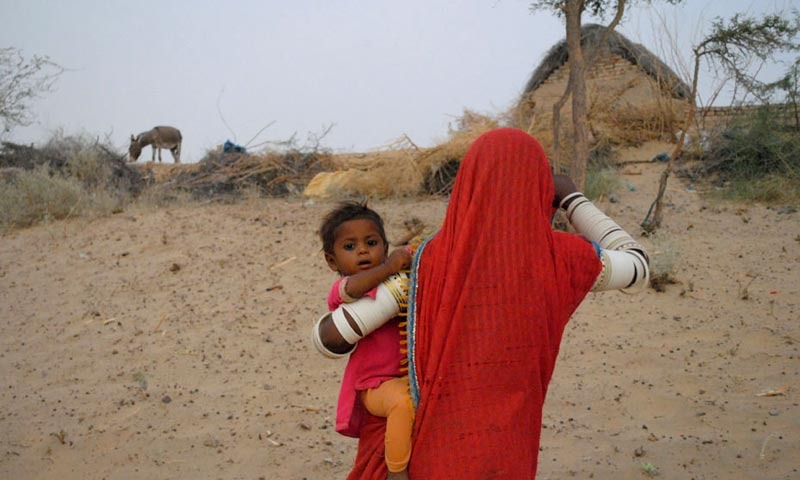
The COVID-19 pandemic has deeply affected every segment of society, but its impact on children and youth has been particularly devastating. While governments worldwide implemented lockdowns and social distancing measures to control the virus, many unintended consequences followed—especially for children in Pakistan.
With over 80 million children in the country, Pakistan faces a humanitarian crisis, as poverty, malnutrition, child labor, and a lack of educational opportunities continue to worsen. More than 50 million students were confined to their homes due to nationwide closures of 300,000+ educational institutions in March 2020, disrupting learning and placing children in vulnerable situations.
This article explores how the pandemic has shaped the lives of Pakistan’s children and what urgent actions must be taken.
The Education Crisis: 22.8 Million Children Out of School
Pakistan has the second-highest number of out-of-school children globally, following only Nigeria. The pandemic further disrupted education, causing permanent dropouts for many. Closures lasted from March to September 2020, followed by another lockdown from November 2020 to January 2021, leaving 22.8 million children disconnected from learning.
Girls Are the Most Affected
The Sindh province has 52% of poor children and 58% of girls out of school, while Baluchistan has 78% of girls unable to attend school. The digital divide also contributed to lost learning opportunities, as only 17% of Pakistani households have access to the internet.
The government allocated Rs. 2.931 billion for Primary Education in 2020-21, an increase from Rs. 2.83 billion in 2019-20, along with Rs. 7.344 billion for Secondary Education. However, the funds failed to significantly increase enrollment rates, leaving a major gap in education.
Child Labor: A Growing Concern
Pakistan has not conducted a national child labor survey since 1996, making it difficult to measure the full impact of COVID-19. However, local reports indicate millions of children are now working to support their families.
A report by NGO Sahil states that child abuse is 80% more common among child laborers. Many children are engaged in:
Hotels & dhabas – washing dishes and cleaning tables.
Households – working as domestic servants.
Markets – washing cars and selling goods.
Shops & workshops – working as helpers in mechanical shops.
According to Cornelius Williams, Associate Director at UNICEF, the COVID-19 crisis forced more children into labor, increasing their risk of exploitation.
A nationwide child labor survey must be conducted immediately to formulate concrete policies for child protection.
Malnutrition & Health: A Crisis in Numbers
Malnutrition is one of the worst issues affecting children in Pakistan. The National Nutrition Survey reveals staggering numbers:
53.7% of Pakistani children suffer from anemia.
40.2% of children under five are stunted, ranking third globally after India and Nigeria.
28.9% of children are underweight due to poor nutrition.
These figures highlight how poverty and lack of healthcare deteriorate children's growth. Malnutrition is closely linked to maternal health, as inadequate nutrition during pregnancy results in nutritionally disadvantaged newborns.
Every day, 1,100 children in Pakistan die due to lack of access to clean water, sanitation, and healthcare. Immediate efforts must focus on child health programs and safe drinking water accessibility.
Child Marriage: A Silent Killer
Child marriage continues to devastate young lives, particularly in rural areas. The WHO reports that:
3% of girls in Pakistan marry before 15 years old.
18% of girls marry before 18.
Early marriages increase maternal mortality rates, making pregnancy-related deaths the leading cause of death for girls aged 15-19. This issue remains largely neglected, even after the Child Marriage Restraint Act raised the minimum marriage age to 18.
Strict enforcement is needed to prevent forced marriages, particularly in underdeveloped regions.
Real-Life Stories: Voices of Pakistan’s Children
The struggles of Pakistan’s children extend beyond statistics. Here are a few heartbreaking real-life stories:
Saif Ullah (13 years old) Saif Ullah sells flowers near Parliament House with a dream of becoming a respected teacher. But poverty forces him to earn 500 rupees daily for food instead of pursuing education.
Asim (10 years old) Born with severe health issues, Asim lies on a cart while his mother pushes him through Rawalpindi markets. Poverty has kept him out of school, preventing him from receiving proper medical care.
Zainab (9 years old) Zainab begs on Islamabad streets, barefoot even in winter, as her parents struggle with menial jobs. No social protection or education threatens her future.
Ahmed (13 years old) On cold nights, Ahmed sits on stairs while others drink warm soup. He sells pens to earn 100 rupees a day for survival. He watches school-going kids, longing for the same opportunity.
What Needs to Be Done? Actionable Recommendations
Pakistan must take urgent policy actions to protect its children’s future. Here’s what needs to be done:
1. Strengthen Education Policies
Enroll millions of out-of-school children through awareness programs.
Build schools in rural areas to improve access.
Provide scholarships and free digital learning resources.
2. Combat Malnutrition
Improve maternal healthcare to prevent child stunting.
Launch national nutrition programs.
Provide free meals in schools.
3. Enforce Strict Child Labor Laws
Conduct a national survey on child labor.
Punish employers exploiting child laborers.
Strengthen child protection units.
4. Eradicate Child Marriage
Implement strict marriage registration laws.
Provide financial incentives for families to keep girls in school.
Promote awareness about health risks of early marriage.
5. Increase Budget Allocations
Invest more in education and healthcare.
Expand school funding.
Improve sanitation access.
6. Collaborate with NGOs
Partner with organizations for child protection initiatives.
Improve vocational training.
Launch awareness drives on child rights.
7. Strengthen Political Commitment
Encourage political parties to prioritize child rights.
Demand legislative reforms for child protection.
Ensure laws are properly implemented.
Final Thoughts: Building a Better Future
Children are the future of Pakistan, yet millions are trapped in poverty, exploitation, and neglect. Without education, healthcare, and protection, their futures remain uncertain. The COVID-19 pandemic worsened the situation, but the government has an opportunity to reverse the damage through bold policy action.
By implementing effective laws, improving healthcare, and expanding education opportunities, Pakistan can break the cycle of suffering and create a brighter future for every child.
Now is the time to act. Because every child deserves a safe, healthy, and educated life.