Institutional Mechanism and Budgetary Gaps Hindering Implementation of Sindh Home-Based Workers Act 2018: Stakeholders Demand Urgent Reforms at Provincial Dialogue
 Irfan Ali

Karachi
Institutional Mechanism and Budgetary Gaps Hindering Implementation of Sindh Home-Based Workers Act 2018: Stakeholders Demand Urgent Reforms at Provincial Dialogue
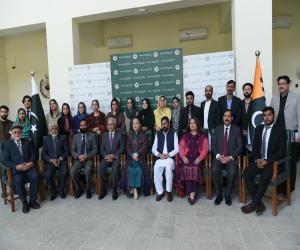
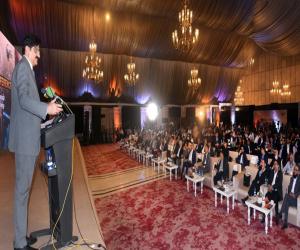
A provincial policy dialogue was jointly organized by the Sindh Human Rights Commission (SHRC), Friedrich Ebert Stiftung (FES), and Bhittai Social Watch & Advocacy (BSWA) at the National Institute of Labor Administration Training (NILAT), Karachi, on 23rd June 2025. The event brought together key stakeholders to review the progress and challenges in implementing the Sindh Home-Based Workers Act (HbWA) 2018.
SHRC Chairperson Mr. Iqbal Ahmed Detho presided over the dialogue, raising serious concerns over the lack of institutional mechanisms and budgetary allocations that have hindered the Act’s implementation. He emphasized that while every legislation evolves over time, it requires inter-departmental coordination, periodic reforms, and resource commitment to be effective.
Mr. Detho appreciated FES’s continued support in revitalizing NILAT and stressed the urgent need for the Labor Department to ensure NILAT’s reintegration into the provincial budget. Citing SHRC's collaboration with other institutions, he highlighted the successful integration of gender and legal modules in the Tando Jam Local Government Training Institute as an example of institutional strengthening.
FES Program Advisor Mr. Abdullah Dayo underscored the urgency of ratifying ILO Convention 177 and called for the urgent establishment of additional registration desks at divisional levels to facilitate easier access for HBWs.
Mr. Kashif Siddiqui presented key findings from a recent regional consultation in Sukkur, pointing out the complex registration process, centralized submission systems, lack of clarity, and reported cases of harassment including gender-based violence and domestic violence.
Additional Secretary Law, Government of Sindh, Mr. Asadullah Bhatti, emphasized the need for legal literacy and institutional capacity building. He called for integrated implementation of laws and policies across departments.

Other speakers, including Ms. Bushra Arain (Union of LHWs), Ms. Kausar Nisa (HBW Federation, Sanghar), Ms. Maheen (HomeNet Pakistan), and Ms. Zahra Khan (Federation of HBWs, Karachi), praised Sindh’s progressive laws but expressed concern over their ineffective implementation.

They recommended incorporating core human rights guarantees into the Act. Mr. Ansar, representing persons with disabilities (PWDs), highlighted the exclusion of PWDs from current frameworks, calling for more inclusive implementation mechanisms.