Public Hearing Underscores Importance of GSP+ and Supply Chain Human Rights Compliance in Pakistan
 Chehra WebDesk

Public Hearing Underscores Importance of GSP+ and Supply Chain Human Rights Compliance in Pakistan
Karachi
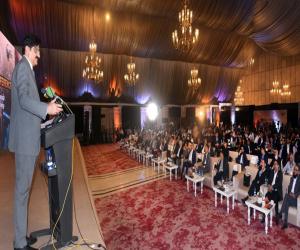
In a significant move towards reinforcing human rights and labour standards in Pakistan’s supply chains, the Sindh Human Rights Commission (SHRC), in collaboration with Friedrich Ebert Stiftung (FES) Pakistan and the District Administration of Badin, held a public hearing focused on business and human rights. The event brought together government officials, civil society organizations, trade unions, legal professionals, corporate representatives, and media stakeholders to address the urgent need for enhanced human rights compliance in line with international obligations.
The hearing emphasized the critical importance of Pakistan’s continued access to the EU’s Generalised Scheme of Preferences Plus (GSP+), a preferential trade mechanism that grants tariff-free access to the European market contingent upon the implementation of 27 international conventions related to human rights, labour rights, good governance, and sustainable development.
Mr. Iqbal Detho, Chairperson of SHRC, highlighted in his keynote remarks that GSP+ is not just a trade facility but a transformative tool for socio-economic development. He emphasized the need for legislative reforms, improved enforcement mechanisms, stakeholder inclusion, and transparent reporting to credibly demonstrate compliance with GSP+ criteria. “Civil society engagement and institutional accountability are essential for ensuring that Pakistan meets its international obligations under GSP+,” he stated.
In line with recent global legislative developments such as the EU Corporate Sustainability Due Diligence Directive (CSDDD) and the German Supply Chain Due Diligence Act, speakers stressed the increasing responsibility of companies and governments to ensure human rights and environmental due diligence across global supply chains. These laws signal a growing demand from EU member states for robust compliance from trading partners like Pakistan.
Mr. Abdullah Dayo, representing FES Pakistan, lauded SHRC’s inclusion of a Business and Human Rights component in its mandate, calling it a forward-thinking approach. “GSP+ is not merely a trade incentive, it’s a comprehensive framework for strengthening democratic values, safeguarding marginalized communities, and promoting sustainable economic growth,” he noted.
Deputy Commissioner of Badin, Mr. Yasir Bhatti, welcomed participants and acknowledged SHRC and FES for raising awareness on Business and Human Rights. He provided updates on district-level initiatives, including the activities of various human rights committees and efforts to monitor compliance with labour laws.
Participants from civil society, trade unions, and media highlighted challenges in labour rights implementation, particularly in informal sectors such as brick kilns. Concerns were raised about the shortage of human and financial resources in regulatory departments, political interference, and the urgent need to fill key administrative vacancies such as the Labour Officer and Driving License Office in Badin.
The public hearing concluded with a strong call for coordinated follow-ups, policy coherence, and technical collaboration between district administrations, SHRC, and relevant stakeholders. In light of evolving international standards, Pakistan’s path to retaining GSP+ status and aligning with global due diligence frameworks will require a steadfast commitment to human rights, transparent governance, and inclusive development.