WaterAid Dialogue: Sindh Gov't Focuses on Inclusive WASH, Forms Women-Led Oversight Committees for Accountability
 Imran
Imran
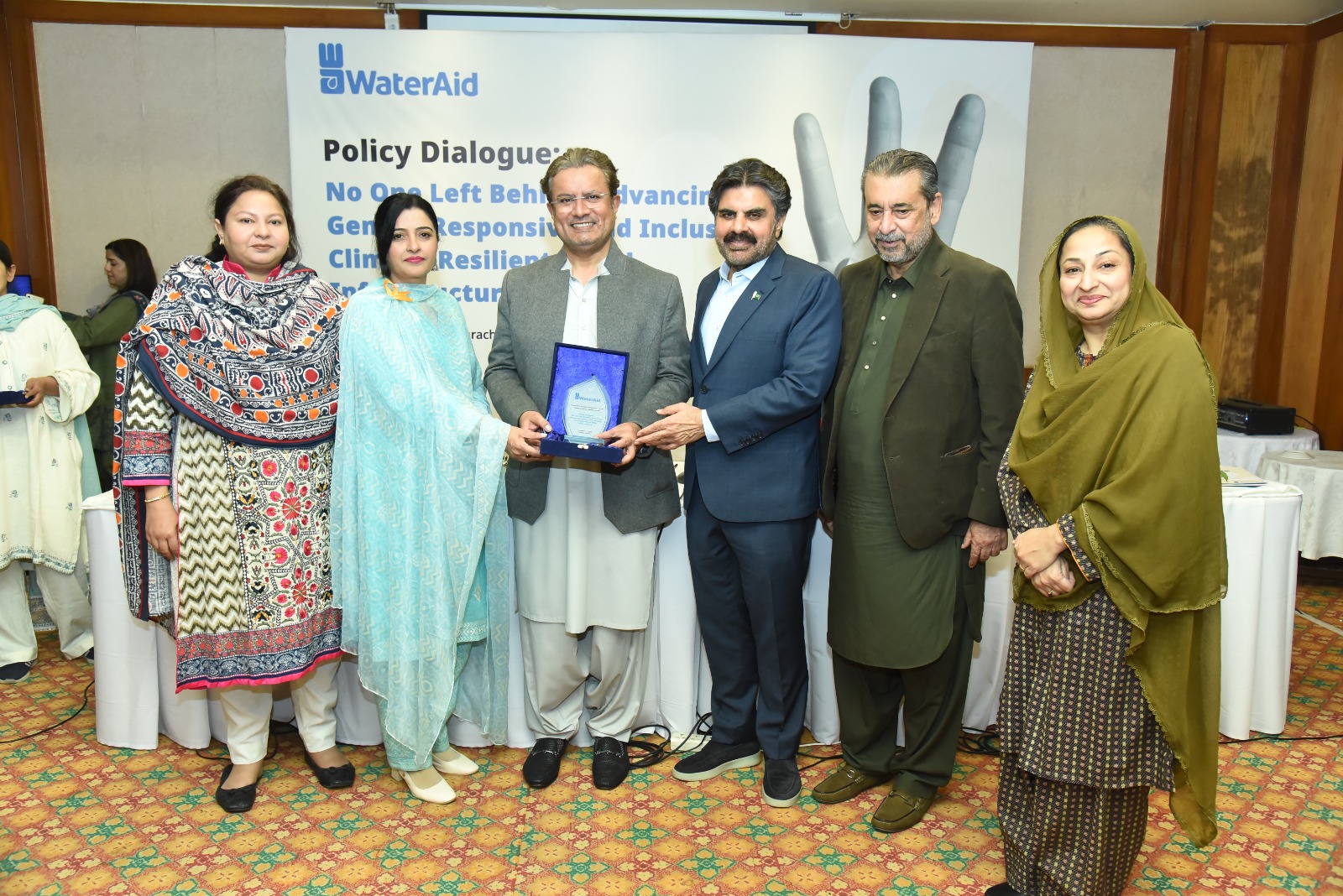
Karachi Sindh Minister for Local Government and HTP, Syed Nasir Hussain Shah, said that the Sindh government is strictly following its policies to improve cleanliness, water supply, and WASH (Water, Sanitation and Hygiene) infrastructure. He said that providing gender-friendly, disability-friendly, and climate-resilient infrastructure in schools, healthcare facilities, and public places is the government’s top priority. He stated that the government is increasing partnerships with NGOs so that communities can become active at every level and every citizen can have equal access to clean water, health, and sanitation services. The minister added that facilities for girls in schools—such as menstrual hygiene, privacy, and safe spaces—are being upgraded immediately. At the same time, healthcare centres are improving water systems, toilets, and cleanliness so that everyone can benefit from safe and reliable services.
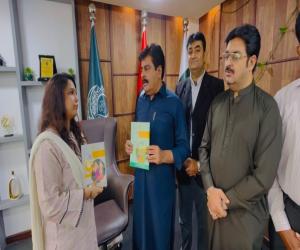
He said that for WASH projects, proper planning, transparency, and coordinated strategies with all stakeholders have been made essential at district and provincial levels. Women-led oversight committees are also being formed to make accountability stronger. He emphasized that without direct community participation and advocacy, sustainable change is not possible. WaterAid Pakistan organized a high-level policy and advocacy dialogue titled “Leave No One Behind: Advancing Gender-Responsive, Inclusive, and Climate-Resilient WASH Infrastructure.” Many women, persons with disabilities, youth representatives, community members, and government officials took part in the event. Advisor to the Chief Minister Sindh, Najmi Alam, said that community-level water management and public awareness are very important at this time. Member of the Provincial Assembly, Muhammad Qasim Soomro, praised WaterAid’s efforts and stressed the need for strong cooperation among government departments.
Gender Advisor for WaterAid Pakistan, Raheema Panhwar, said that the main purpose of the dialogue was to create a platform where community voices could reach policymakers directly and bring meaningful change. She highlighted four key priorities:
1. Giving priority to WASH infrastructure in healthcare facilities and schools.
2. Making these facilities gender-inclusive, accessible for persons with disabilities, and stronger against climate impacts.
3. Solving issues related to menstrual hygiene, general access, and privacy.
4. Strengthening service delivery systems and improving planning and implementation at district and provincial levels.

During the panel discussion on “Opportunities and Barriers in Inclusive Infrastructure in HCFs, Schools, and Public Places,” speakers included HANDS Welfare Foundation Chairman Dr. Tanveer Ahmed Sheikh, Deputy Director MNCH & FP Dr. Rabia, Chief Advisor & Head of Provincial Curriculum Wing Dr. Fauzia Khan, and MPA Farah Sohail. The panel members stressed that based on audit findings, immediate improvements are needed in WASH infrastructure for gender sensitivity, disability access, menstrual hygiene, privacy, and protection from climate risks.
They recommended forming women-led oversight committees, adopting coordinated strategies among stakeholders, and properly including WASH in district and provincial planning to strengthen community participation and accountability. The dialogue concluded with a vote of thanks by YLOC Badin General Secretary Marvi Abidi Samo, confirming the community’s commitment to continued advocacy and partnership.