Imran Khan’s Eye Health, Jail Facilities, and Public Sentiment on X: A Comprehensive Overview
 Adnan Athar
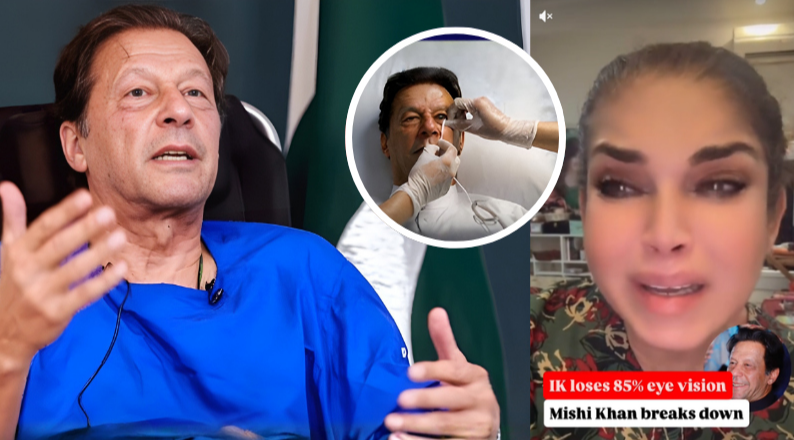
- Reports indicate former Prime Minister Imran Khan has Central Retinal Vein Occlusion (CRVO) in his right eye, with his family and lawyer claiming only 15% vision remains due to alleged delays in care since late 2025.
- On 24 February 2026, he received a second anti-VEGF injection at PIMS hospital in Islamabad, though his party and family have raised concerns about secrecy and demanded access to his personal doctors.
- The issue has been trending strongly on X since mid-February, with emotional appeals from women across showbiz, politics, social work, and the general public highlighting human rights and humanitarian angles.
- Evidence leans toward a deeply divided public response: strong sympathy and calls for transparency from supporters, alongside government assurances of proper treatment, reflecting the complex and sensitive nature of the situation.
Former Prime Minister Imran Khan, who has been in Adiala Jail, Rawalpindi since August 2023, was diagnosed with Central Retinal Vein Occlusion (CRVO) in December 2025. His lawyer Salman Safdar presented a report in the Supreme Court on 12 February 2026 stating that vision in his right eye has been reduced to only 15% because jail authorities ignored complaints for three months. Imran Khan himself mentioned that blurring started in October 2025.
The government and jail officials maintain that the first anti-VEGF injection was given in January 2024, a second injection was administered at PIMS on 24 February 2026, and his vitals remained normal. Some medical board reports claim vision improved from 6/36 to 6/9. However, PTI and the family have not expressed confidence in official reports and are demanding access to his personal doctors (Dr Faisal Sultan and Dr Asim Yusuf).
Complete Trend Analysis on X (February 2026
The matter has been continuously trending on X (formerly Twitter) since 12 February. After the PIMS transfer on 24 February, allegations of “secrecy” and “midnight transfer” sparked a fresh wave of discussion.
Key hashtags:
- #KhanNeedsUrgentTreatment (thousands of posts)
- #ShiftKhanToShifaInternational
- #ImranKhanHealthEmergency
Women’s Voices on X
Women have raised the issue at a deeply human and emotional level.
| Date | Event | Women’s Reaction |
|---------------|--------------------------------------------|-------------------------------------------|
| 12-13 Feb | Mishi Khan’s viral video | Severe emotional response, condemnation of negligence |
| 17 Feb | Aleema Khan’s Al Jazeera interview | Lack of trust in government reports |
| 24 Feb | PIMS transfer and injection | Criticism of secrecy, demand for immediate access |

Showbiz Women’s Emotional Response
Mishi Khan’s video went viral in which she broke down in tears and asked, “What will happen if 85% of the vision is lost?” Other actresses also came forward to criticise the authorities’ silence.
Female Politicians
Aleema Khan has been sitting in protest day and night outside Adiala Jail, stating, “The government is lying; we do not believe in government reports.” She has demanded a full check-up in the presence of personal doctors.
Ordinary Women and Social Workers
Ordinary women have written in their posts that “This is not just a politician — he is Pakistan’s hero whose health is being played with.” Social workers have appealed to human rights organisations for immediate intervention.
Some posts state that “Every prisoner is receiving facilities; this is propaganda” and share details of the treatment provided.
Cricketers and Others
Former cricket captains (including Kapil Dev) have written letters demanding fair treatment.
This matter has now become not only a medical issue but also one of politics and human rights. Discussion continues on X, and the family’s demand for access to personal doctors remains ongoing.
The situation involving former Prime Minister Imran Khan’s eye health has drawn widespread attention in Pakistan and internationally, blending medical, political, and humanitarian dimensions. Imran Khan, incarcerated at Adiala Jail in Rawalpindi since August 2023, was diagnosed with Central Retinal Vein Occlusion (CRVO) in his right eye around December 2025. According to his court-appointed lawyer Salman Safdar, a report presented to the Supreme Court on 12 February 2026 indicated that vision in the right eye had deteriorated to approximately 15% after jail authorities allegedly overlooked complaints for three months. Imran Khan reportedly told his lawyer that blurring of vision began as early as October 2025.
Official statements from the government and jail administration counter that treatment began earlier, with the first anti-VEGF injection administered in January 2024. On 24 February 2026, Khan was transferred to Pakistan Institute of Medical Sciences (PIMS) in Islamabad under security protocols for a second intravitreal anti-VEGF injection as a day-care procedure. Hospital sources confirmed his vitals remained stable, and some medical board assessments noted improvement in recorded vision from 6/36 to 6/9. Despite these updates, PTI leaders and family members have consistently expressed no confidence in government medical reports and continue to demand unrestricted access to Khan’s long-time personal physicians, Dr Faisal Sultan and Dr Asim Yusuf, preferably at a facility like Shifa International Hospital.
On X, the topic has maintained strong momentum since mid-February. The late-night transfer to PIMS on 24 February triggered renewed criticism regarding lack of transparency, with users highlighting “secrecy” and “midnight operation” concerns. Prominent hashtags driving the conversation include #KhanNeedsUrgentTreatment, #ShiftKhanToShifaInternational, and #ImranKhanHealthEmergency, each generating thousands of posts daily. Recent activity shows ongoing calls for independent medical evaluation and family involvement.
Women’s contributions have been particularly notable, framing the discussion around empathy, human dignity, and accountability. Their voices span multiple segments of society and add an emotional and rights-based layer to the debate. The table below summarises key moments and reactions:
| Date | Event | Women’s Reaction |
|---------------|--------------------------------------------|-------------------------------------------------------|
| 12-13 Feb | Mishi Khan’s viral video | Severe emotional response, condemnation of negligence |
| 17 Feb | Aleema Khan’s Al Jazeera interview | Lack of trust in government reports |
| 24 Feb | PIMS transfer and injection | Criticism of secrecy, demand for immediate access |
Showbiz women have been vocal and visible. Actress Mishi Khan’s mid-February video, in which she became tearful while questioning the handling of the situation and asking what would happen with 85% vision loss, circulated widely and drew significant sympathy. Other prominent actresses echoed concerns about official silence and called for humane treatment.
In the political sphere, Aleema Khan (Imran Khan’s sister) has led sustained protests outside Adiala Jail, maintaining a day-and-night presence and publicly rejecting government assurances. She has repeatedly stated that the family does not trust official diagnoses or reports and insists on the presence of personal doctors for any examination or procedure. Relatives connected to Bushra Bibi have also shared updates from meetings, reinforcing the narrative of ongoing vision difficulties.
Social workers, human rights advocates, and ordinary women have amplified these messages through personal posts, often comparing the situation to that of a family member and urging immediate intervention by rights organisations. Thousands of female users from PTI-supporting and neutral backgrounds have posted messages emphasising that “this is Pakistan’s hero whose health is being toyed with,” calling for urgent and transparent care.
Government-aligned voices on X have pushed back, arguing that standard facilities are being provided to all prisoners and that the narrative constitutes propaganda, while sharing details of the injections and medical monitoring.
Beyond women’s groups, notable support has come from the cricket community. Former captains, including international figures like Kapil Dev, have issued open letters advocating for fair and adequate medical treatment.
Overall, the episode has evolved from a reported medical condition into a broader discussion on prison healthcare standards, transparency in governance, and political accountability. As of 24 February 2026, the family’s demand for personal medical access remains active, and X continues to serve as a primary platform for real-time public discourse. The situation underscores the challenges of balancing security, medical needs, and public trust in high-profile cases.