Ensuring Child Rights: Experts Advocate Strengthened Laws Against Hazardous Child Labour
 Irfan Ali
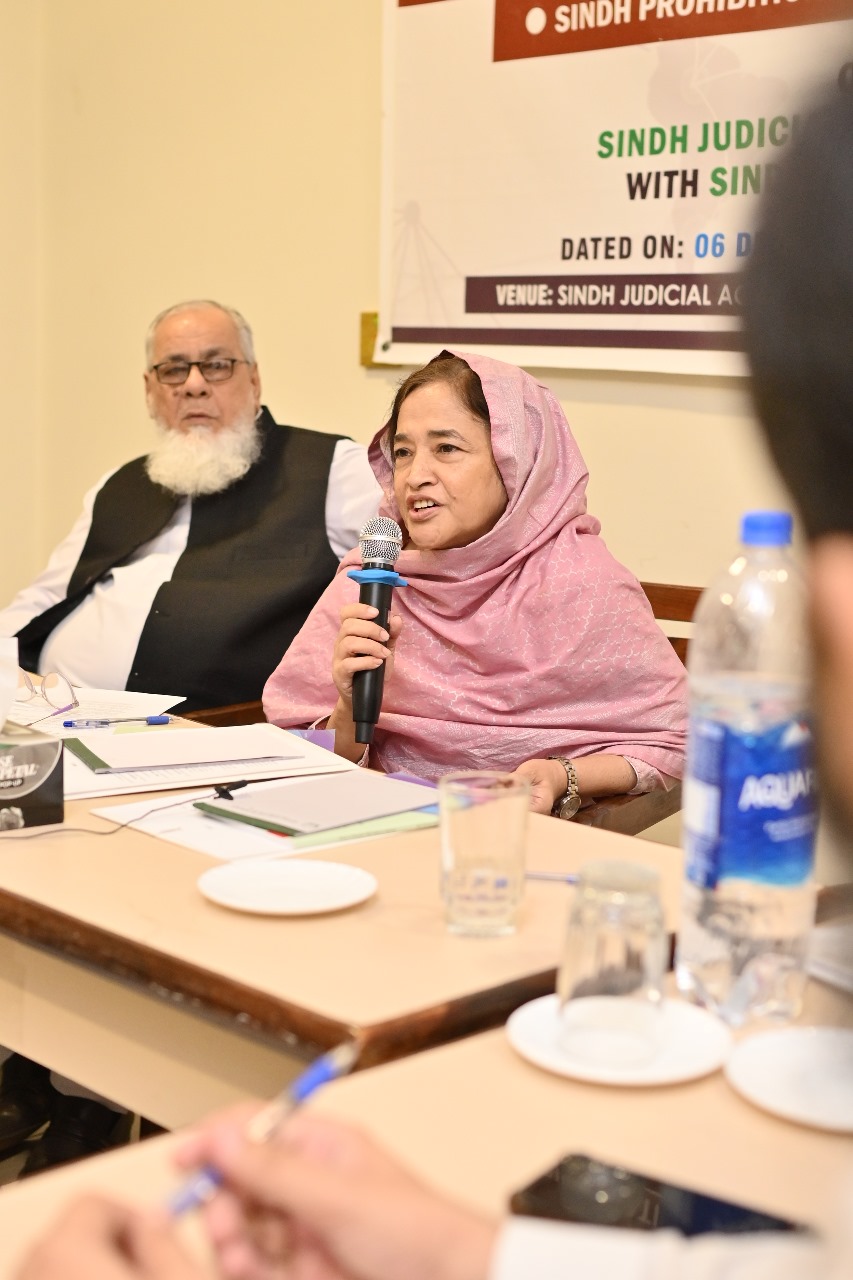
KARACHI, Leading child rights experts and activists emphasized the urgent need to ensure that no child is employed in hazardous industries or workplaces, advocating for amendments to Sindh's existing labour and child protection laws to prioritize the "best interests" of children. This call was made during a consultation session on legislative and policy analysis of the Sindh Prohibition of Employment of Children Act 2017, organized by the Sindh Human Rights Commission (SHRC) in collaboration with the Sindh Judicial Academy (SJA) at the SJA office on Friday.

The consultation was attended by a diverse group of stakeholders, including Mr. Iqbal Detho, Chairman of SHRC; Ms. Tahseen Fatima, Secretary of Sindh’s Human Rights Department; officers from various government departments, representatives of the International Labour Organization (ILO); members of the judiciary; legal experts and civil society activists.

Mr. Iqbal Detho highlighted a proposed amendment Criminal Laws (Sindh Amendment) 2024 to insert Section 374-A to the Pakistan Penal Code, 1860 to ensure that no child under 18 years is employed as a domestic worker.

According to him, Pakistan is a signatory of ILO Convention 182, which prohibits the worst forms of child labour and sets the hazardous work age limit at 18. The proposed amendment in PPC ensures that children are not employed in hazardous conditions that affect their progress, health, education and mental, and emotional well-being.
Mr. Iqbal Detho noted the absence of effective criminal liability provisions for employers exploiting child labour and suggested bridging these gaps.
ILO Representative Sagheer Ahmed emphasized that punitive measures should be a last resort, suggesting that solutions must address the root causes of child labour, such as poverty and lack of access to education.
The Secretary of the Sindh Human Rights Department, Ms. Tahseen Fatima, pointed out that labour laws are ineffective in special economic zones (SEZs) and Export Processing Zones (EPZs). She also noted inadequate recruitment of labour inspectors, which is causing ineffective implementation of the labour laws.
Child Rights Expert, Barrister Rida Tahir proposed adding definitions for "child domestic worker" in the law. "The best interest of the child must remain the cornerstone of any legislative reform," Ms. Tahir remarked. She highlighted that parents and the vulnerable persons should not be criminalised.
Mr. Reejhumal Sajnani, Law Officer from the Labour Department underscored the state’s responsibility in eliminating child labour. He further highlighted the need for automated registration systems to monitor child workers and prevent exploitation. He pointed out that the inspector of the Labour department have registered over 400 cases of child labour during only one month of November 2024 in Sindh. The cases are pending in the labour courts, he added.
The participants recommended making it compulsory for employers to provide education for child workers aged 14 to 16 years.
It was informed in the meeting that first ever Sindh Child Protection Authority’s shelter home for victim children is established in Malir Saudabad, Karachi, which has the capacity to house 200 children. It was identified as a critical resource for rehabilitating vulnerable children.
The participants agreed that criminalizing parents is counterproductive and urged the focus to remain on systemic changes.
The consultation reinforced the collective commitment to safeguard child rights and combat child labour.
The consultation participants extended the actionable recommendations, including improved monitoring, enforcement mechanisms, and enhanced coordination among stakeholders to eradicate hazardous child labour in Sindh.