The Provincial Dialogue by Baithak
 Chehra WebDesk
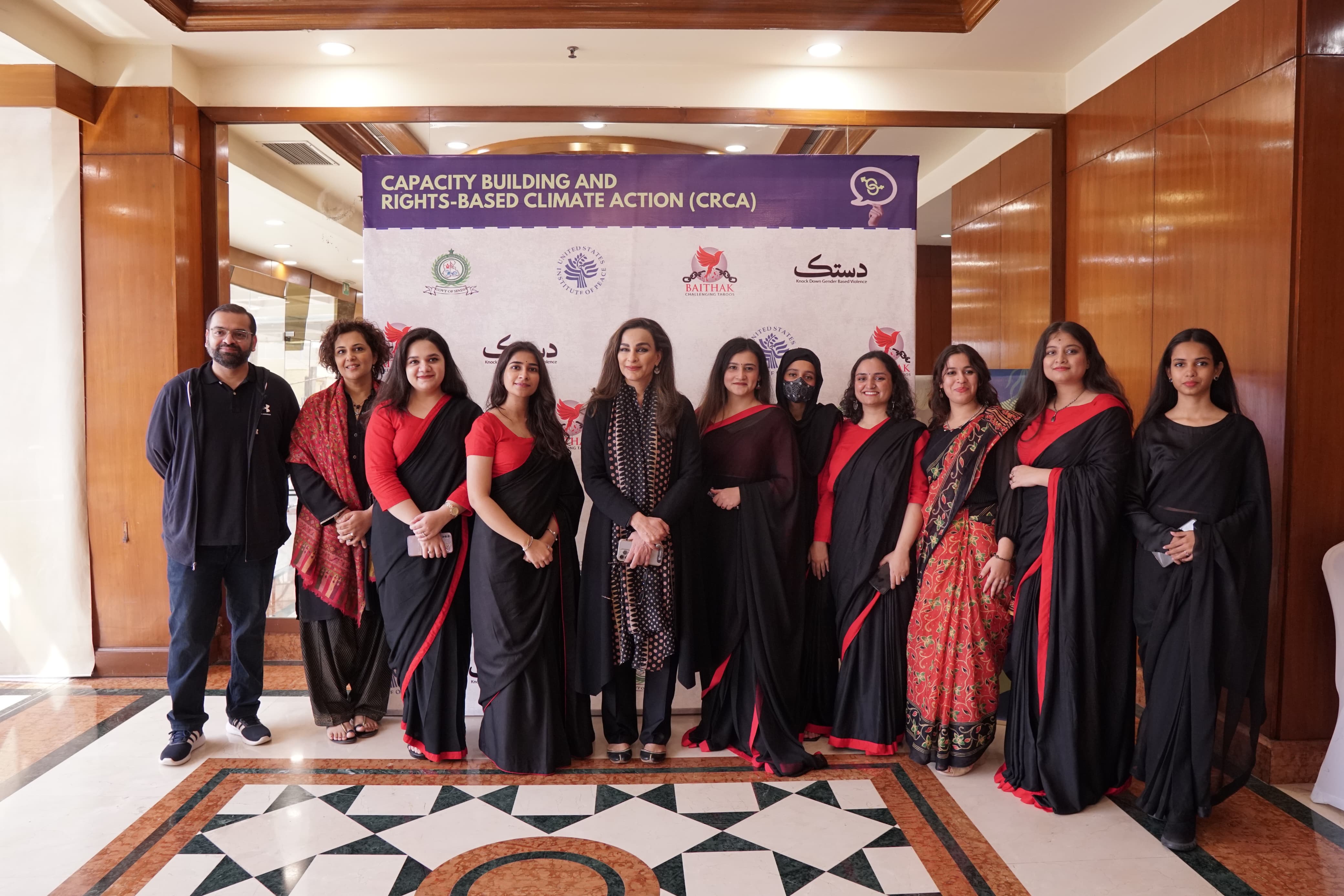
embarking on a new year, Baithak—a youth-led, women-led
grassroots organization that works on gender and climate justice for young girls and women
in Pakistan hosted a powerful provincial dialogue on gender-specific needs in disaster
management by setting an example of collaboration.
This dialogue was the final and crucial stage of the initiative Capacity Building and
Rights-Based Action (CRCA) implemented by Baithak—Challenging Taboos and Dastak
Foundation in Sindh and KP, respectively, in partnership with the Provincial Disaster
Management Authority (PDMA) and funded by the United States Institute of Peace (USIP).
CRCA seeks to address the urgent need for gender-responsive and equitable disaster
management/climate crises response in Sindh and KP, Pakistan, by building the capacity of
Provincial Disaster Management Authorities (PDMAs) and District Disaster Management
Authorities (DDMAs) and strengthening their coordination with Civil Society Organizations
(CSOs) in both provinces.The objective was to enhance gender-inclusive prevention
mechanisms amid disaster relief and recovery, to increase access to grassroots information
and lived realities of climate-impacted communities, and to co-create gender-responsive,
inclusive, and culturally relevant Resilience Climate Action Plans with PDMAs, DDMAs, and
CSOs in selected districts of KPK and Sindh.

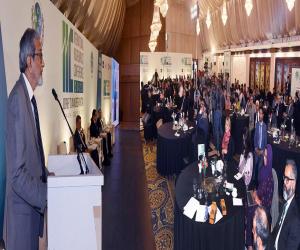
The dialogue started with opening remarks from Maryam Kiyani, Program Analyst from the
United States Institute of Peace, and then an overview from the founder and CEO of
Baithak, Challenging Taboos, and project director of CRCA, stating the disproportionate
impact of climate change on girls and women. She also shared about the extensive work
that Baithak has been doing for girls and women in climate-affected and climate-vulnerable
grassroots communities. Baithak's efforts have been to identify unique challenges and needs
of girls and women during climate-induced disasters; this conversation was further
proceeded in a panel discussion on gender-specific climate crises response moderated by
Amneh Shaikh, founder and CEO of Polly, and other stories and panelists were Reheema
Panwar, gender expert from WASH; Zofeen Ibrahim, senior journalist; and Madiha Latif,
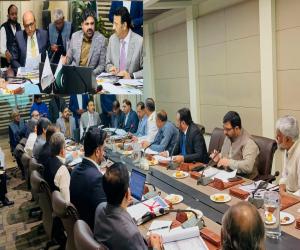
country director, Pathfinder International. And later, roundtable stakeholder roundtable
dialogue was conducted where Gender Action Plans of all the participating districts were
reviewed and discussed.

Then, the Chief Guest, Senator Sherry Rehman, delivered her remarks and shared her
insights and highlighted the crisis girls and women face during climate-induced disasters and
emphasized gender action plans for disaster management. The dialogue was concluded by
the closing remarks from Director Operations PDMA Imdad Hussain Siddiqui.

Concludingly, Baithak thanked each and everyone who was present from different
stakeholders, government officials including PDMAs & DDMAs, CSOs, lady health workers,
media, and others for participating and contributing to the dialogue and going forward hope
to keep holding these spaces where we come together to advocate for gender and climate
justice.