Citizen Dialogue in Sanghar Calls for Urgent Action on Labor Rights and Business Accountability
 Chehra WebDesk
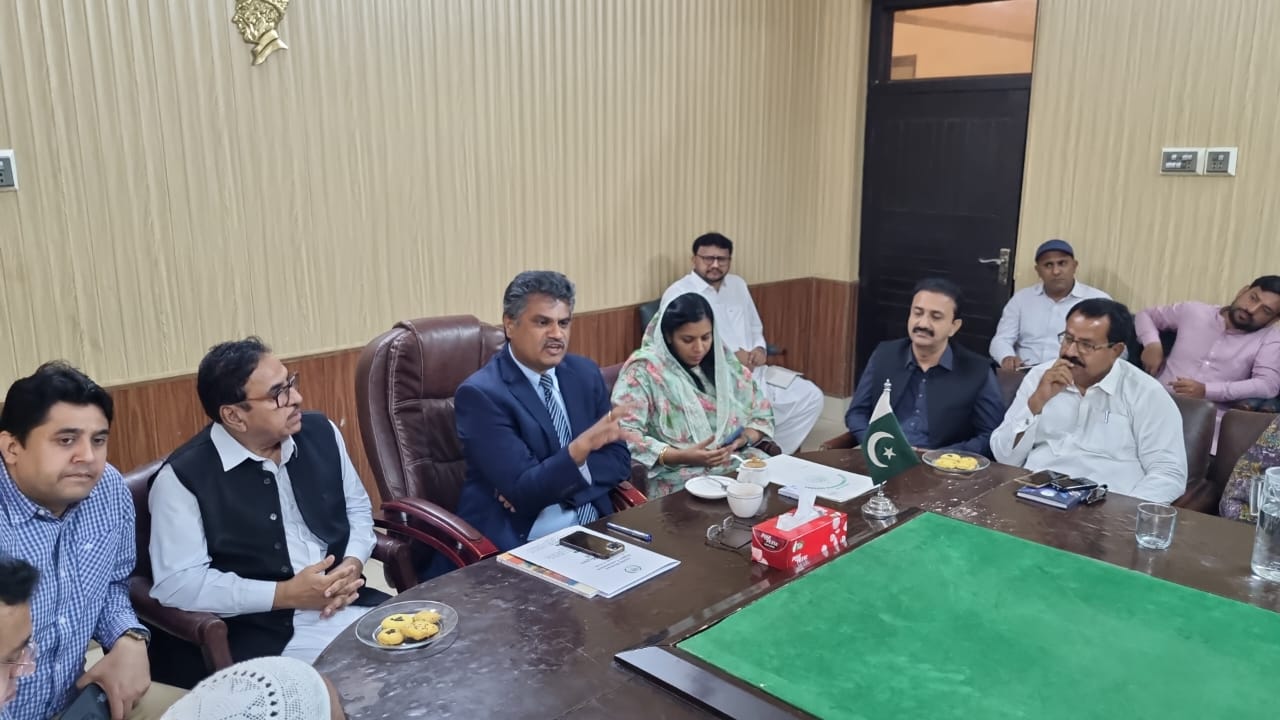
SANGHAR, — The Sindh Human Rights Commission (SHRC), in collaboration with Friedrich Ebert Stiftung (FES), held a Citizen Dialogue in Sanghar district to highlight critical labor rights challenges and the importance of compliance with Business and Human Rights (BHR) principles.
Addressing participants, SHRC Chairperson Mr. Iqbal Detho emphasized the Commission’s statutory role in safeguarding human rights across Sindh and integrating BHR into its mandate in line with Pakistan’s international commitments. “District-level legal frameworks and institutional coordination are key to protecting vulnerable workers,” he stated.
The event spotlighted labor rights concerns in Sanghar, a major hub for cotton production and oil and gas exploration. Stakeholders, including labor union representatives, civil society actors, and local officials, raised concerns over poor working conditions, wage violations, and lack of social protections especially for women agricultural and home-based workers.
FES’s Mr. Abdullah Dayo stressed the need for responsible supply chains and legally binding employment contracts. “In a district like Sanghar, ensuring minimum wages, EOBI registration, and third-party regulation is essential for upholding human dignity in the workplace,” he said.
Deputy Commissioner Sanghar, Ms. Sara Javed, welcomed the SHRC and participating stakeholders, noting the administration’s support for rights-based development. SSP Sanghar, Mr. Abid Hussain, acknowledged SHRC’s role in addressing broader human rights issues, including forced conversions and early child marriages.


Labor union representatives from Sinjhoro raised concerns over stagnant wages, lack of inflation-linked bonuses, and no health insurance. Ms. Kausar Nisa of the Sindh Home-Based Workers Federation drew attention to gender-based violence in the informal sector. Civil society members and media professionals highlighted widespread non-compliance with Corporate Social Responsibility (CSR) obligations.
The dialogue concluded with a call for better enforcement of CSR provisions under the Companies Act, 2017, enhanced labor department support, and alignment of district policies with national and global due diligence standards. Participants stressed that inclusive development, transparency, and protection of fundamental rights are central to sustainable progress in Pakistan.