The Rise and Reckoning of Razi Dada: A Tale of Controversy and Consequence
 Chehra WebDesk
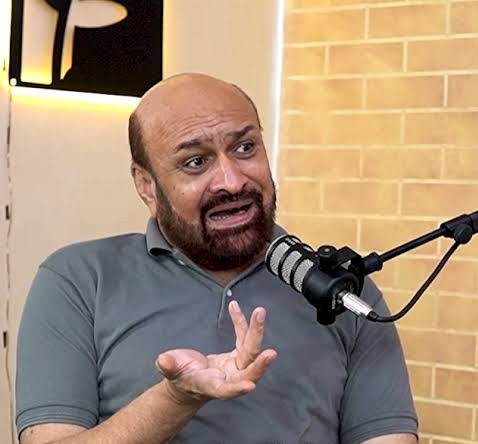
ISLAMABAD — In the ever-evolving landscape of Pakistani media, few figures have stirred as much turbulence as Rizwan Razi, better known to his followers as Razi Dada. Once hailed for his bold commentary and unfiltered style, Razi now finds himself increasingly isolated—his voice drowned out by a chorus of criticism, official reprimands, and public outrage.
The Latest Storm
It was a Tuesday when the latest chapter unfolded. A vlog surfaced in which Razi made a deeply offensive remark, referring to the people of Sindh as the “offspring of monkeys.” The backlash was swift and unforgiving. Pakistan Television (PTV), where Razi had been a regular face, suspended him almost immediately. The video, viral within hours, ignited a firestorm across social media, with users demanding accountability and respect for regional identities.
A History of Provocation
This wasn’t Razi’s first brush with controversy. In February 2019, while employed by Din TV, he was arrested by the Federal Investigation Agency (FIA) for what officials described as “defamatory and obnoxious” commentary targeting the judiciary, government, and intelligence agencies. Though released on bail, the incident marked the beginning of a pattern—one where Razi’s words repeatedly crossed lines drawn by both law and ethics.
By July 2024, the FIA’s Cyber Crime Reporting Center had summoned him again, accusing him of orchestrating “a highly obnoxious and intimidating campaign” against Pakistan’s highest judicial authorities. The language was familiar, the tone unmistakably combative.
Medical Misinformation and Missteps
In December 2024, Razi pivoted to a different kind of controversy—this time involving public health. On national television, he promoted a so-called Chinese technology that could allegedly “freeze and remove cancer without chemotherapy.” He even took aim at Shaukat Khanum Cancer Hospital, casting doubt on its practices. Medical experts swiftly condemned the claims, calling them “medically unfounded” and “dangerously misleading.”
Insensitive Commentary Amid Tragedy
Then came August 2025. As Pakistan reeled from devastating floods, senior journalist Khawar Ghumman shared a poignant video capturing the grief of villagers mourning the loss of livestock. Razi’s response? A sarcastic tweet suggesting Ghumman had crossed the border in disguise to film the footage. The remark was widely condemned as trivializing a national tragedy, and fellow journalists called him out for his insensitivity.
A Mirror to Media Ethics
Razi Dada’s journey is more than a tale of one man’s provocations—it’s a reflection of the broader tensions within Pakistani journalism. His repeated summons, suspensions, and social media spats have sparked urgent conversations about the responsibilities of public figures, the boundaries of free speech, and the ethical obligations of those who speak to millions.
As the dust settles on yet another controversy, one question lingers: In a media landscape hungry for truth and accountability, is there still room for voices that thrive on provocation—or has the tide finally turned?