Sindh cabinet okays diaspora property e-registration, traffic courts, cess settlement, BRT land shift, Forests
 Imran
Imran
• Cabinet clears digital property registration for overseas Pakistanis,
• e-stamping indigenised
• Infrastructure Cess settlement framework okayed
• Consumer Courts converted into Traffic Courts,
• BRT Red Line land-use changed,
• Expansion of protected mangrove belt approved
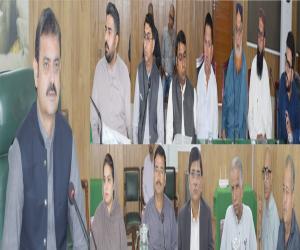
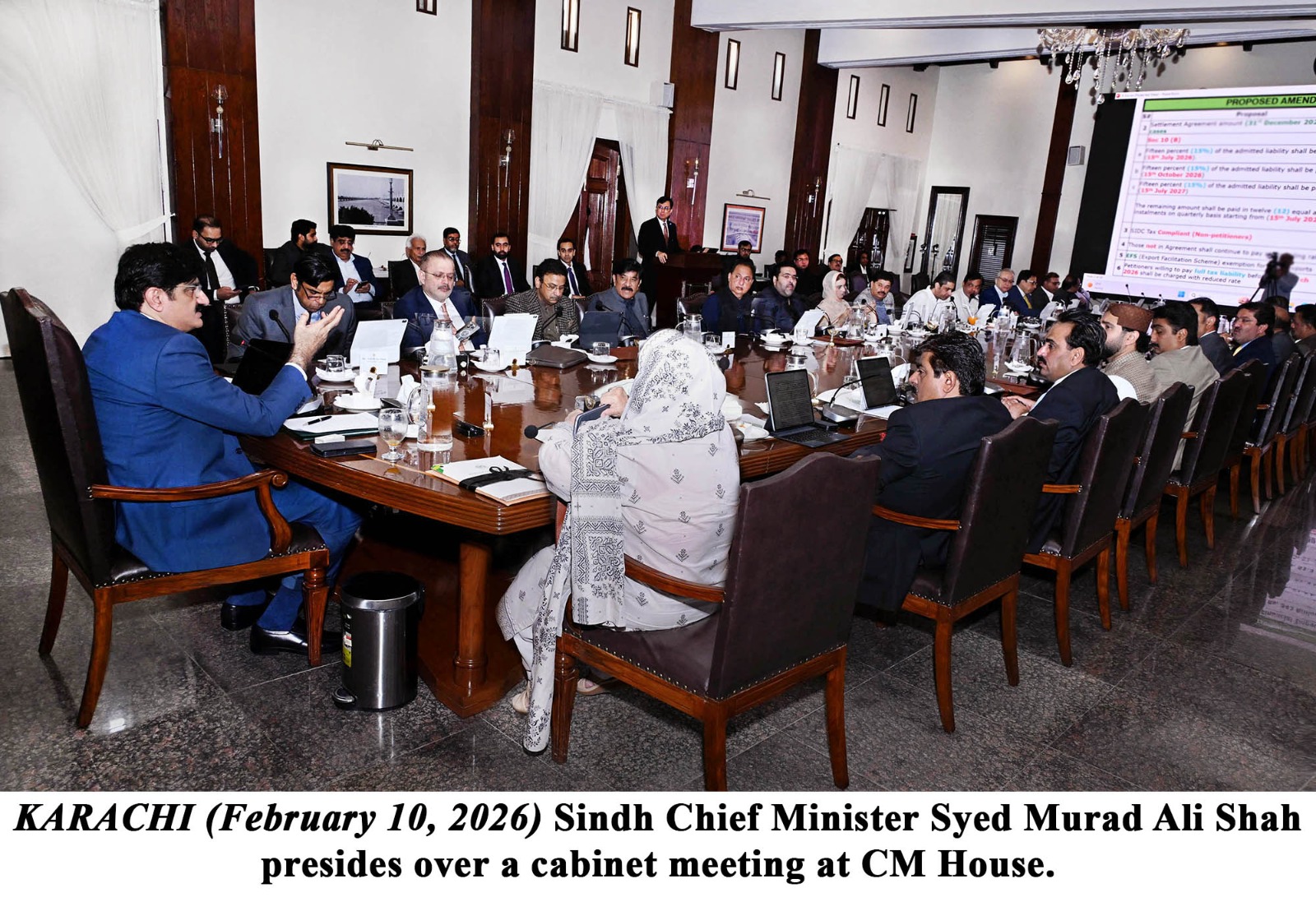
KARACHI Sindh Chief Minister Syed Murad Ali Shah presided over a provincial cabinet meeting that approved digital property registration for overseas Pakistanis, indigenisation of the provincial e-Stamping system, a settlement framework for the Infrastructure Cess dispute, designation of Consumer Courts as Traffic Courts, land-use change for the Karachi BRT Red Line, expansion of protected forests in the Indus Delta, restructuring of police jurisdictions, establishment of a major fruit and vegetable market in Larkana, and ratification of specialised judicial postings.
Digital Property Registration for Overseas Pakistanis:
To facilitate the Pakistani diaspora, the Board of Revenue, on the directives of Chief Minister Murad Ali Shah, presented the Sindh Registration (Amendment) Bill, 2025.
Under the proposed amendment, Sindh is set to scale up online sale deed executions at Pakistani missions and embassies. The amendment to Section 38 of the Sindh Registration Act, 1908, will exempt overseas Pakistanis from physical appearance at registration offices.
Verification will be conducted via a NADRA-integrated e-Registration system, allowing for thumb impressions and facial recognition at any sub-registrar office or People’s Service Centre, regardless of jurisdiction.
Indigenisation of e-Stamping System:
The cabinet also reviewed and approved the transition of the provincial e-Stamping System from the Punjab Information Technology Board (PITB) to the Sindh Information Technology Company (SITC).
A five-year Master Service Agreement with SITC was proposed at a service charge of Rs7 million per month, featuring a 10 per cent annual escalation. Future upgrades by SITC will include a mobile application, paperless stamp duty, linking issuance with CNICs, and two-factor authentication.
The system will be integrated with major entities, including DHA, CDC, and insurance companies, to streamline provincial revenue collection.
These decisions underscore the Sindh government’s commitment to modernising provincial administration and creating a more business-friendly environment through legal and technological interventions, the chief minister said.
Consumer courts designated as Traffic Courts
In a significant move to ensure the speedy disposal of traffic violation tickets (e-tickets), the cabinet approved the designation of Consumer Courts as Traffic Courts across the province.
Under the legal framework, this action follows a newly inserted section in the Provincial Motor Vehicles (Amendment) Act, 2025. Following consultation with the Sindh High Court, the jurisdiction of Traffic Courts will be conferred upon existing Consumer Courts in every district. This will allow for specialised and rapid trial of traffic-related offences without the immediate need for constructing new judicial infrastructure.
Breakthrough in Infrastructure Cess Dispute:
In a move to resolve a long-standing legal battle, the cabinet discussed a comprehensive settlement proposal for the Sindh Development and Maintenance of Infrastructure Cess.
The chief minister said the proposal addresses approximately Rs342 billion currently stuck in bank guarantees across 635 court cases. Under the proposal, petitioners would pay 15 per cent of their admitted liability in three phases (July 2026, October 2026, and July 2027), with the remaining balance paid in 12 equal annual instalments.
The cabinet also considered reducing the tax rate to 0.8 per cent (rising to 0.85 per cent after three years) for compliant non-petitioners and those willing to settle their full liability before March 30, 2026. Full exemptions under the Export Facilitation Scheme (EFS) for re-exports were proposed to boost trade.
The cabinet approved the proposal and referred it to the provincial assembly.
BRT Red Line Project:
To reduce project costs and expedite construction, the cabinet deliberated on a critical land-use change for the Karachi Bus Rapid Transit (BRT) Red Line.
The cabinet was requested to approve the utilisation of 18 acres of the former Alladin Park (Bagh-e-Karachi) for an at-grade bus depot. By shifting from a previously proposed underground facility to an at-grade depot, the project will save approximately Rs4 billion and reduce construction time.
The CM directed the senior transport minister, the local government minister and the mayor of Karachi to sit together and decide the matter in the interest of the city.
The meeting also reviewed progress on the project’s corridor road works, noting that K-Electric is expected to complete all utility relocations by the end of February 2026, with major sections like the Mosamiyat Flyover and Numaish Underpass targeted for completion by March 2026.
Expanding Indus Delta’s Green Shield:
To combat climate change and meet global environmental obligations, the Forest and Wildlife Department sought approval for a massive expansion of protected areas.
After a thorough discussion, the cabinet declared 163,902 hectares (405,002 acres) of intertidal land in Sujawal district as “Protected Forests”. Chief Minister Murad Ali Shah said these areas serve as a natural shield against cyclones and tidal waves while storing “blue carbon” at rates three to five times higher than tropical rainforests.
While global standards suggest a 25 per cent forest cover threshold, only 10 per cent of Sindh is currently declared as a reserved or protected forest. This move will significantly add to the 566,298 hectares already protected in the Indus Delta, the CM said.
These initiatives represent a strategic push by the Sindh government to streamline revenue collection, enhance ease of doing business for overseas citizens, and fortify the province’s ecological defences.
New Police Stations and Posts
To address rising crime rates and shifting demographics, the cabinet approved the following jurisdictional changes:
The existing police post at Girhor Sharif (Mirpurkhas) has been upgraded to a full-fledged police station. This decision was made due to the post’s significant distance (22km) from the Phullandyoon PS and a rising population in the area.
Conversely, the cabinet approved downgrading Police Station Malak to a police post. It will now operate under the administrative control of PS Korai (Sub-division Moro, Naushahro Feroze). Five dehs, including Saleh Pur Katcho and Malkani, will be transferred to PS Korai’s jurisdiction to optimise resources.
Larkana Fruit & Vegetable Market:
The Sindh government approved the establishment of a fruit and vegetable market (Mandi) in Larkana at an estimated cost of Rs4.8 billion to strengthen agricultural trade and improve marketing facilities in the region.
According to the approved plan, the Mandi will be developed with a secure boundary wall, along with a comprehensive drainage system including a stormwater nallah, to ensure safety and sustainability.
In addition, the project includes the construction of an administrative block, medical facility, washrooms, banking services, and a green belt to provide a modern, organised, and trader-friendly environment.
The chief minister said the project aims to improve post-harvest handling, facilitate farmers and traders, reduce losses, and boost economic activity in Larkana and adjoining districts.
Judicial Appointments: The cabinet officially ratified the appointment of two senior District & Sessions Judges to specialised ex-cadre posts following earlier summary approval by the chief minister.
Mr Naushad Ali Mughal has been posted as the presiding officer of the Anti-Encroachment Tribunal in Hyderabad. Mr Rehmatullah Mooro has been appointed as a judicial member of the Appellate Tribunal for the Sindh Revenue Board.