Breaking the Glass Ceiling: The New Guard of Women Redefining Pakistan’s Newsroom
 Chehra WebDesk
Sadaf Suleman
Karachi
In the high-pressure, male-dominated newsrooms of Pakistan, the path to leadership for women has often been blocked by an invisible but resilient "glass ceiling." However, a new initiative in Karachi is aiming to dismantle those barriers, one editor at a time.
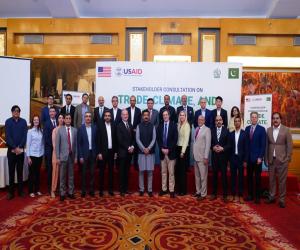
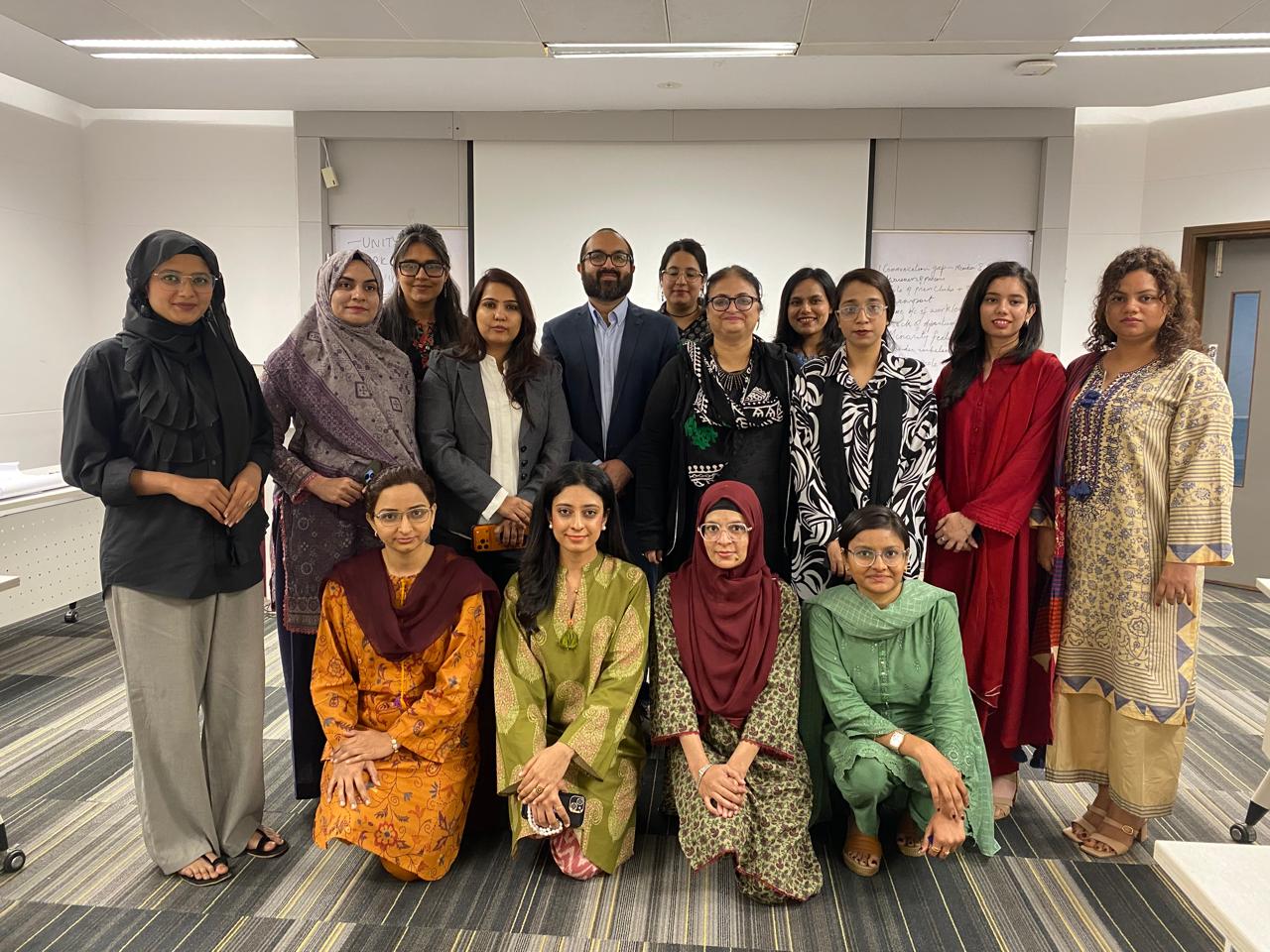
A two-day intensive Leadership Training Program, concluded today at the Centre for Excellence in Journalism (CEJ-IBA), has brought together a group of emerging female journalists to master the tools of power, negotiation, and structural defiance.
Negotiating Power
Organised by the Foundation for Research and Advocacy (IRADA) with support from the Canada Fund for Local Initiatives (CFLI), the sessions moved beyond basic reporting skills. Instead, they dove into the "gendered politics" of media—tackling issues like the wage gap, the lack of female representation in press clubs, and the "gatekeeping" practices that often keep women away from hard-hitting assignments and editorial decision-making.
"We aim to move beyond skills-building and create space for women to understand power and challenge exclusion," said Salwa Rana, Program Manager at IRADA. She noted that by investing in women’s leadership and safety, the initiative is working toward a more "inclusive and accountable" media sector.
Beyond the Newsroom
The training, which has already seen success in Islamabad and Lahore, focuses heavily on collective power. In Pakistan, Press Clubs and journalist unions have traditionally been seen as male bastions. Day two of the Karachi workshop specifically coached women on how to contest elections within these bodies and build alliances to influence policy change.
Lubna Jerar Naqvi, a veteran journalist and General Secretary of the Karachi Union of Journalists (KUJ), emphasized that these sessions are a shield against exploitation. "IRADA should do more training, especially on labour rights... to protect women media workers from being exploited by organisations," she said.
A Growing Network
For participants like Jyoti Shree Maheshwari, the experience was about more than just a certificate; it was about building a "collective front."
"The sessions... were insightful and practical, helping us better understand media power structures and develop confidence as emerging leaders," Maheshwari remarked, highlighting the importance of mentorship in a field where female role models in senior management remain scarce.
As Pakistan’s media landscape continues to face economic and security challenges, the emergence of a confident, trained cadre of female leaders may be the catalyst for the long-awaited institutional change the industry requires.