SINDH STRENGTHENS EFFORTS AGAINST CHILD LABOUR THROUGH EDUCATION, LEGAL REFORMS: HEMNANI
 Jyoti Maheshwari
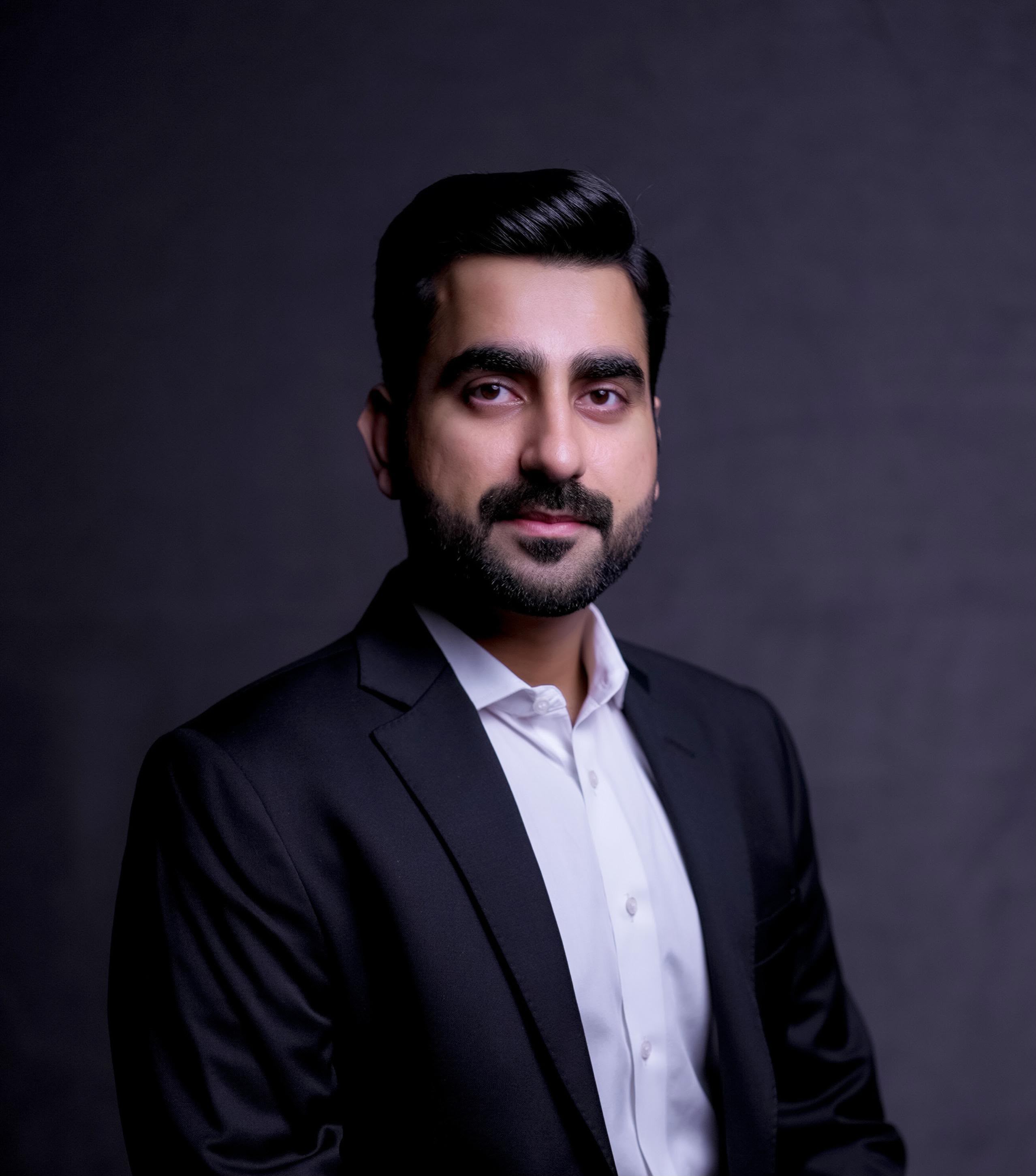
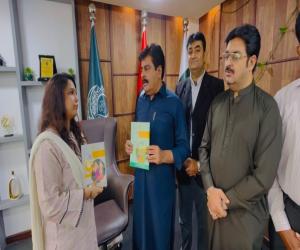
Spokesperson for the Government of Sindh, Sukhdev Hemnani, has said that the Sindh Government remains firmly committed to eliminating child labour through stronger legal protections, expanded access to education, social protection initiatives and targeted interventions aimed at addressing the root causes of child exploitation.
Marking the World Day Against Child Labour, Hemnani said that recent reports issued by international and national rights organisations estimate that approximately 8.6 million children in Pakistan are affected by child labour, with nearly one in every ten children engaged in labour, often in hazardous and unregulated conditions. He said these figures underscore the need for sustained and collective efforts to protect children and guarantee their right to education and a safe childhood.
Sukhdev Hemnani said that child labour in Sindh has declined by nearly 50 percent compared to previous baseline surveys and according to the Sindh Child Labour Survey 2022–2024 conducted with support from UNICEF.
He said that while child labour remains a serious challenge, recent survey findings indicate measurable progress in Sindh through sustained investments in education, social protection and child protection legislation.
Sindh has remained at the forefront of protecting children through progressive legislation, as the Sindh Prohibition of Employment of Children Act, 2017 strengthened safeguards against child labour and hazardous occupations. said Hemnani.
Hemnani noted that recently, the Sindh Assembly passed the Sindh Domestic Workers Welfare Bill, 2025, which prohibits the employment of children below the age of 16 in domestic work while extending legal protections and welfare safeguards to domestic workers across the province.
Hemnani said that poverty, lack of access to education and social vulnerability remain among the primary drivers of child labour in the country. To address these challenges, Sindh has become the first province in Pakistan to introduce a dedicated non-formal basic education curriculum for out-of-school children. He added that the Government is establishing 3,000 Non-Formal Education Centres across the province to bring more children into the education system through education and vocational learning opportunities.
Sukhdev Hemnani further said that under the Sindh Right of Children to Free and Compulsory Education Act, every child has the right to free education up to the age of 16, while the Government continues to support students through the provision of free textbooks, school supplies and other educational assistance.
Hemnani said that the Sindh Education Foundation (SEF) continues to play a pivotal role in expanding access to education across the province through innovative public-private partnership models. He said that SEF-supported initiatives are benefiting hundreds of thousands of children, particularly in underserved and remote areas, while the Foundation is currently operating 35 Sindh Peoples Schools across the province, providing quality education opportunities to children from low-income and marginalized communities. He said such initiatives are critical to reducing the number of out-of-school children and addressing one of the root causes of child labour.
He further stated that Sindh has emerged as the leading province in Pakistan to implement a provincial GSP+ framework, reinforcing its commitment to international labour standards, child protection measures and human rights obligations.
“Child labour is not merely a labour issue; it is an issue of education, opportunity, dignity and social justice. Every child belongs in a classroom, not a workplace. Under the leadership of Chairman Bilawal Bhutto Zardari and Chief Minister Syed Murad Ali Shah, the Sindh Government will continue pursuing policies that protect children, expand access to education and create opportunities for every child to realize his or her full potential,” Hemnani said.