Addressing Mountain Hazards: A Call for Urgent Action
 Nadia Nawaz

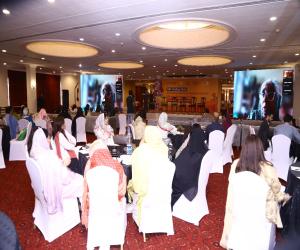
In a thought-provoking workshop titled ‘Confronting Mountain
Hazards in Climate Change,’ held at the Ghulam Ishaq Khan Institute of
Engineering Sciences and Technology, experts, researchers, and practitioners
gathered to advocate for immediate measures to tackle pressing environmental
issues arising from climate change.
The event, organized by the faculty of civil engineering,
emphasized the need to address critical challenges related to mountain hazards
and their potential impacts on the economy and people's properties.
The spanning an entire day, aimed to provide practical solutions to mitigate
the effects of climate change on mountainous regions. Under the overarching
theme of a multifaceted approach, insightful presentations and engaging panel
discussions covered various aspects, including geotechnical and geological
hazards.
Notable figures such as Eng Sohail Kibria, Dr Mohammad Shafique,
Dr Mohammad Irfan, and Dr Mehtab Alam shared their expertise, offering
participants the latest research findings and practical skills.
Multifaceted Approach to Mitigate Climate Change Impacts
Delving into the various dimensions of mountain hazards, highlighted the
immediate need for practical steps.
Participants had the opportunity to explore the latest research,
exchange ideas, and enhance their practical skills to effectively mitigate the
impacts of climate change on mountainous regions.
The diverse group of speakers underscored the urgency of the
situation and the importance of collaborative efforts.
Commitment to Environmental Challenges: Bridging Academia and Industry
Prof Fazal Ahmad Khalid, Rector of GIK Institute, spoke passionately about the
institute's dedication to addressing environmental challenges. it not only
enriched the discourse on addressing environmental challenges but also
reinforced the institute's role in fostering a collective commitment towards a
sustainable and resilient future.
The experts from both industry and academia emphasized the need
for collaboration to develop comprehensive strategies in confronting
geological, geotechnical, and mountain hazards amid the ever-evolving landscape
of climate change.
In conclusion, the bridge gap between academia and industry, providing
valuable insights, fostering collaboration, and reinforcing the commitment to
address environmental challenges collectively.
The event not only contributed to the discourse on pressing issues
but also positioned the GIK Institute as a leader in the pursuit of a
sustainable and resilient future.