Pakistan top consumers of transfats in the region causing chronic diseases
 Adnan Athar

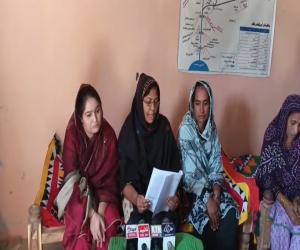
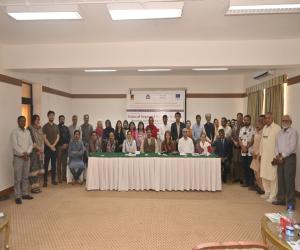
[Quetta] – Pakistan is the top consumer of industrial tranfats (iTFA) in the region accounting for six percent of the total energy intake from these deadly substances in the food supply chain. Consumption of iTFA is leading to increased mortality and burden of chronic diseases like heart diseases, hypertension, diabetes, stroke and several other NCDs. Today, in a joint statement representative from leading civil society organizations and public health experts urged government to taking urgent policy measures to eliminate iTFA from the all sources of food supply chain in Pakistan. The iTFAs in the food supply are killing Pakistanis every day and urgent policy measure aligned with WHO recommended best practices policies are pivotal to be adopted without any further delay. This was said during the media sensitization workshop organized by Centre for Peace and Development Initiatives (CPDI) in a local hotel of Quetta. The event provided journalists and media professionals from Baluchistan province with comprehensive insights into the challenges associated with the presence of iTFAs in the diet.
“Cardiovascular diseases, diabetes and stroke are the major killers of Pakistanis. Every single day delay in adopting best practice policy in eliminating iTFA from the diet means more people are dying due to this deadly substance lurking in our food supply” said Shahzad Iqbal, Program Manager, CPDI.
Partially Hydrogenated Oils (PHO) are the major source of iTFAs and every single food where these oils are used contain these deadly substances in the diet. “Limiting iTFAs from the all dietary sources to no more than 2 percent of total fats through a single regulation and imposing ban on PHOs shall be pivotal measures which Pakistan should adopt to address this concerning situation” said Munawar Hussain, Public Health and Nutrition Policy Expert.
Recent studies and market analysis of our food sources have highlighted the urgent need for measures to mitigate the adverse effects of these substances, which are commonly found in processed food items. “In a recent research, vanaspati ghee, tea whiteners, street foods, fried items, bakery items and ultra-processed foods are among the major sources of iTFAs in the food supply chain of Pakistan.” said Dr. Saba, CEO, Heartfile and a public health expert.
The event was attended by a large number of leading journalists from print, electronic and social media, and civil society representatives. During the session, Pakistan’s health statistics, key gaps in food related policies and best practices from the regional and other countries were discussed. The public health experts expressed their concern over the grave situation of rising diabetes and cardiovascular diseases in the country. They highlighted that government need to take policy measures by declaring public health emergency to advance policies like limiting iTFAs from all dietary sources, imposing ban on PHOs, enacting front of pack nutrition labelling and warning signs on ultra-processed foods, regulating their marketing and removing unhealthy foods from public institutions, especially schools. Mr. Naqeeb Ullah, Deputy Director from Balochistan Food Authority also attended the workshop and highlighted their commitment to eliminate industrially produced transfats from the food supply to help save precious lives.