Nation Conference on Cotton Revival: The White Gold of Pakistan-From Challenges to Opportunities.
 Adnan Athar

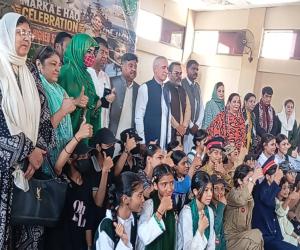
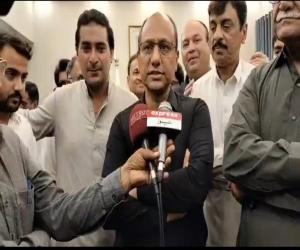
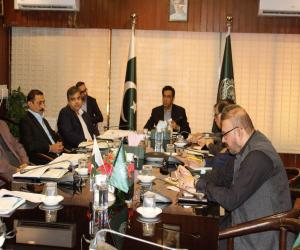
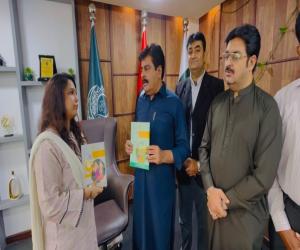
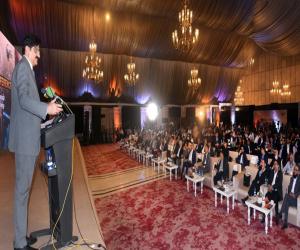
Better Cotton (BC) in collaboration with Pakistan Central Cotton Committee (PCCC) organized a “National conference on cotton revival: The white gold of Pakistan- From challenges to opportunities” on January 29, 2025, at Marriott hotel, Karachi. The event aimed to bring all stakeholders including government, policymakers, academia, research and private organizations to analyze key challenges of cotton’s decline and devise pathways to revive the sector and its contribution to the country’s economy.
In Pakistan, cotton and textile sector is the largest driver of exports, value-addition, employment and livelihoods of millions of households.
The conference focused on Sindh and Balochistan as important provinces for cotton cultivation. More than 100 participants included parliamentary leaders, technocrats, academia, supply chain actors, donors, government bodies, research institutions, supply chain actors, All Pakistan Textile Mill Association (APTMA), Pakistan Cotton Ginning Association (PCGA), seed sector, and Better Cotton programme partners including WWF, CABI, REEDS, SWRDO and others.
*Mr. Iain Gardiner* , Senior Director Development and Impact from Better Cotton, opened the day by urging all the stakeholders to be introspective, open and futuristic in their thinking and explained how Better Cotton is leading the drive of sustainable cotton production in the country.
*Mr. Muhammad Bux Khan Mahar* , Minister of Agriculture, Sindh emphasized on need of cotton revival as country priority to boost country economy. He further added climate change and market fluctuations as challenges facing cotton. Government of Sindh has initiated different schemes and campaigns including “Grow More Cotton” drive last year to develop capacity of farmers, agriculture extension wing and programmes to subsidise implements such as drop irrigation and laser land levelers, to strengthen resilience at the farm level.
*Dr Zulfiqar Ali Bhatti* , Parliamentary Secretary, Ministry of Commerce expressed that Cotton is a high priority for federal government and spoke about policy frameworks to support cotton revival and Export Development Fund’s grants for crop DNA testing and traceability.

*Maj. Gen. Shahid Nazir (R), HI (M)* , Director General, Green Pakistan Initiative (GPI) shared how GPI is turning barren lands across the country by developing Agri Malls, promoting crop zoning, and providing rental services to growers for access to inputs and implements for sustainable production. He further shared potential solutions including identification of new cropping zones, restructuring of the Pakistan Central Cotton Committee and its resourcing, announcement of indicative price for cotton, farmer capacity building initiatives, and most importantly advocacy for the abolition of the 18 % sales tax on local cotton production to incentivize the industry.

*Mr. Noor Ahmad Pirkani* , Secretary of Agriculture, Balochistan highlighted the strategic importance of Balochistan as a new emerging area for sustainable cotton production, with more suitable environmental conditions, better staple length and other quality parameters. Conversely, the province has still fallen short of its cotton production targets because of water scarcity, non-certified seeds and inadequate availability of low-quality inputs.

*Dr Yusuf Zafar* , Vice President PCCC, presented the analysis of critical factors behind the decline of cotton in Pakistan and highlighted specific action points including development and dissemination of heat, disease and pest-resistant seeds, and contract farming as a market solution to make cotton more attractive for growers.

In other sessions, speakers and panelists from WWF, CABI, Soorti Enterprises, Lasbela University, TASSCO seed company, Directorate-Agri Research and Sindh Abadgar Association highlighted success stories related to sustainable cotton production, and ideas for the improvement of cotton situation in the country along with organizational commitments.

Stakeholders left with a vision to bring cotton back to its glory and scale with a return to at least 15m bales (as were produced in 2015).