Gender-Based Violence and Strategic Prevention Measures
 Imran
Imran

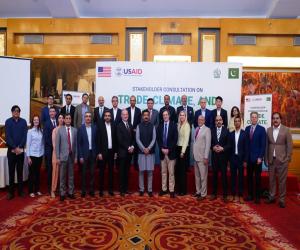
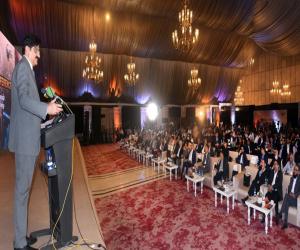
Karachi, An important seminar titled “Gender-Based Violence and Strategic Prevention Measures” was held today in Karachi with the support of the Sindh Government’s Human Rights Department. The event saw significant participation from legal experts, civil society representatives, government officials, and other stakeholders.
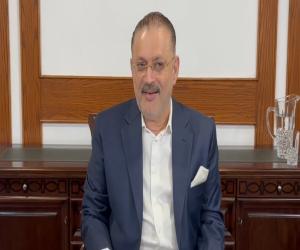
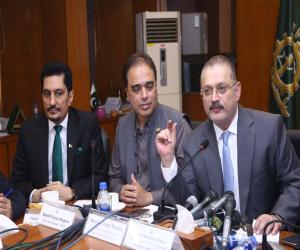
Special guests at the seminar included Mr. Rajveer Singh Sodha, Special Assistant to the Chief Minister of Sindh for Human Rights, Akram Ali Khawaja, Secretary of the Human Rights Department, and Iqbal Ahmed Detho, Chairman of the Sindh Human Rights Commission.
During the seminar, experts explained that gender-based violence includes physical, mental, sexual, and psychological abuse, which primarily affects women, girls, transgender persons, and in some cases, men as well. They said the root causes of this issue lie in societal constraints, outdated traditions, and weaknesses in legal institutions.
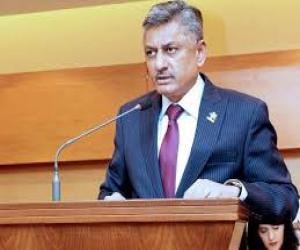
Akram Ali Khawaja, Secretary of the Human Rights Department, stated in his speech that during 2024, Sindh Police registered 804 cases related to violence against women and children. These included domestic violence, honor killings, forced marriages, and sexual abuse cases. He added that the actual number is likely higher, as many victims remain silent. “Gender-based violence is not only a legal issue but also a moral and institutional one that requires collective action,” he emphasized.
The seminar also presented significant steps taken by the Sindh Government, including the “Domestic Violence (Prevention and Protection) Act 2013” and its rules formulated in 2016. The legal aid grant-in-aid scheme has been increased from PKR 50 million to PKR 100 million, benefitting over 800 affected individuals. Moreover, special gender-based violence courts have been established in 27 districts of Sindh. Under the Anti-Rape Act 2021, 406 trained police officers, including 50 women, have been deployed. The “Framework for the Prevention of Sexual Violence 2020–2024” has also been implemented, resulting in the conviction rate increasing to 11%, which is twice the national average. Additionally, 150 medical officers have been trained for sensitive medical reporting for victims. The Sindh Government has also launched its “Human Rights Policy 2023–2027”, focusing on gender justice, protection, and institutional collaboration.
Iqbal Ahmed Detho, Chairman of the Human Rights Commission, in his address, stated that the commission monitors human rights violations, provides protection to victims, and offers reform recommendations to the government. He emphasized that the rule of law and institutional independence require collective efforts from all sectors.
Rajveer Singh Sodha, the Special Assistant to the Chief Minister on Human Rights, said, “The government’s clear stance is that the fight against gender-based violence must go beyond legislation—it must be grounded in compassion and practical measures. We are striving to establish a system that listens to victims, ensures their protection, and provides timely justice—regardless of who they are.”
He added, “We must break the silence on this issue and make our homes, institutions, workplaces, and streets safe. The true strength of a society is reflected in how it treats its most vulnerable members. The government is committed not only to reactive responses but also to proactive prevention through awareness, education, and empowerment.”
He stressed that true change can only be achieved through the collective efforts of government institutions, civil society, the media, academic organizations, and local communities.