Modern Highways and Pakistan’s Path
 Chehra WebDesk
By: Ramesh Raja
Modern highways have moved far beyond the idea of simple asphalt roads built only for moving vehicles from one place to another. Across the world, they are being redefined as intelligent, data-driven, and environmentally responsive systems that actively manage traffic, reduce risk, and support cleaner mobility. What was once a static piece of infrastructure is now becoming a living network that senses, communicates, and adapts in real time.

This transformation is driven by rapid urbanization, rising traffic pressure, climate challenges, and the global shift toward electric and autonomous vehicles. Governments and engineers are now rethinking highways as integrated platforms where transport, energy, and digital systems work together. The aim is no longer just mobility, but safer journeys, lower emissions, reduced congestion, and long-term sustainability.

In many developed countries, smart highways are already shaping everyday travel. Roads equipped with sensors, cameras, and artificial intelligence monitor traffic conditions continuously and respond instantly to changing situations. In the United Kingdom, motorway systems adjust speed limits dynamically and use digital messaging and surveillance to control congestion and reduce accidents. The Netherlands has experimented with innovative road markings that improve visibility during fog and rain, along with intelligent traffic systems that respond to weather and flow conditions. These examples show how highways are becoming responsive environments rather than passive structures.
At the same time, transportation systems are preparing for a major energy transition. The rise of electric vehicles has introduced the concept of roads that can charge vehicles while they move. In parts of Europe, pilot projects have already tested wireless charging highways where energy is transferred through embedded road technology. Similar experiments in Germany, Sweden, and the United States point toward a future where charging stations may no longer be limited to stops along the way, but integrated into the journey itself. This innovation, though still expensive, has the potential to reshape long-distance transport and reduce dependence on large vehicle batteries and long charging delays.
Another major development is the use of digital twins and artificial intelligence in highway management. A digital twin creates a live virtual model of physical infrastructure that receives continuous data from sensors, drones, and monitoring systems. This allows engineers to observe road behavior in real time, predict failures, and plan maintenance before problems become serious. Countries such as the United Kingdom and Australia are already using such systems to monitor bridges, analyze traffic behavior, and improve maintenance planning. When combined with artificial intelligence, these systems can detect accidents instantly, forecast congestion, and optimize traffic flow with remarkable precision.
The future of highways is also closely connected with autonomous and connected vehicles. Modern infrastructure is now being designed to
support communication between vehicles and road systems through Vehicle-to-Everything technologies. In countries like China, Japan, and the United States, test corridors are already being developed where vehicles can communicate with traffic signals, roadside sensors, and control centers. This allows roads to warn drivers of hazards, coordinate speed, and reduce human error, ultimately improving safety and efficiency on a large scale.
Sustainability has become another defining pillar of modern highway design. Traditional construction methods are being replaced or improved with recycled materials, low-carbon concrete, and energy-efficient designs. Solar-powered highways, rainwater harvesting systems, and green barriers are being introduced to reduce environmental impact. Some regions are even exploring roads that generate renewable energy through embedded solar technology. These developments reflect a global shift toward infrastructure that supports climate goals rather than contributing to environmental degradation.
Maintenance and inspection practices are also undergoing transformation. Instead of relying solely on manual inspections, drones equipped with advanced imaging systems are now used to examine bridges, monitor pavement conditions, and track construction progress. This reduces cost, improves accuracy, and enhances safety for workers by minimizing exposure to risky environments. Infrastructure monitoring is becoming faster, more precise, and far more continuous than in the past.
As climate change intensifies, highways are also being redesigned for resilience. Floods, heatwaves, and landslides are now major design considerations. Countries vulnerable to these challenges are investing in elevated road structures, improved drainage systems, and heat-resistant materials. The goal is to ensure that transport networks remain functional even under extreme environmental conditions, protecting both lives and economies.

Within this global transformation, developing countries are standing at a critical turning point. The technologies are no longer theoretical or out of reach, but increasingly accessible through partnerships, innovation programs, and international investment. Nations like Pakistan, India, and Sri Lanka are gradually exploring smart transport solutions, digital monitoring systems, and electric mobility infrastructure. The opportunity now lies in how quickly and effectively these systems can be adopted and adapted to local conditions.
Pakistan, in particular, has a rapidly expanding road network shaped by national highways, motorways, and major development initiatives such as CPEC. Yet the system still largely depends on traditional construction, manual monitoring, and conventional traffic management. With increasing urban growth and rising vehicle usage, this model is becoming less effective. The future requires a structural shift in how transport is planned, managed, and maintained.
A national smart transport framework is essential to guide this transition. Such a framework would unify standards across federal and provincial systems and define clear directions for intelligent transport systems, emissions control, digital monitoring, and electric mobility planning. Without a coordinated approach, progress will remain fragmented and uneven.
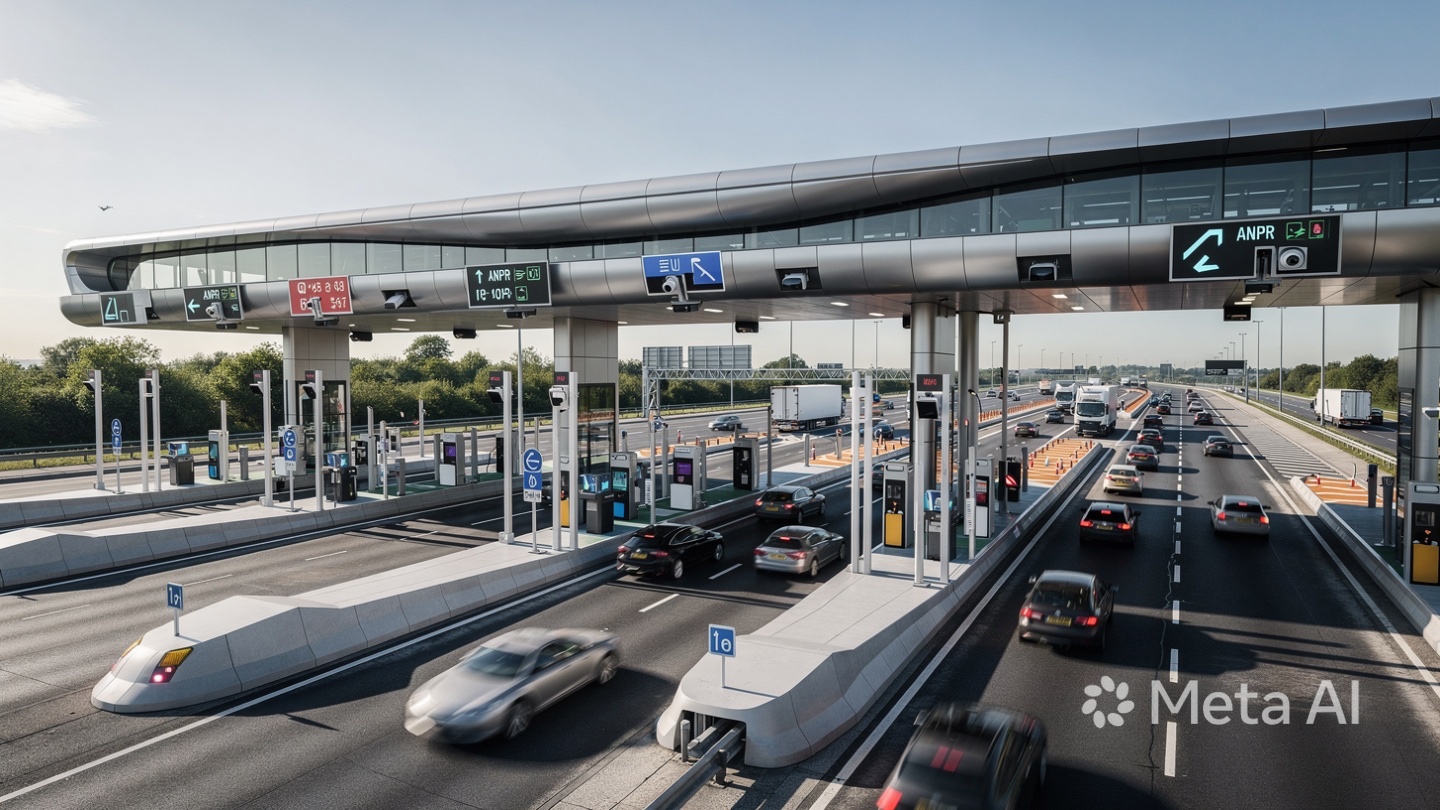
Intelligent transport systems can significantly improve traffic management and road safety in Pakistan. Real-time monitoring through cameras, sensors, and control centers can help manage congestion, detect accidents early, and provide instant updates to road users. Motorways can serve as pilot corridors where these systems are first tested and refined before wider implementation.
The shift from manual toll collection to electronic tolling is another urgent need. Digital systems based on RFID tags and automatic number plate recognition can reduce delays, improve efficiency, and minimize revenue leakage. Such systems have already proven successful in neighboring countries and offer a clear path toward modernization.
Electric mobility must also become a central part of highway planning. Charging infrastructure along major routes, supported by renewable energy sources, will be essential as electric vehicles gradually enter the market. Service areas can evolve into energy hubs that support long-distance electric travel and reduce dependence on fossil fuels.
In parallel, Pakistan must adopt more sustainable construction methods. Recycling materials, improving asphalt technology, and using energy-efficient lighting can reduce costs and extend road life. These changes are not only environmentally responsible but also economically practical in the long term.
Digital monitoring systems, including drones and predictive maintenance tools, can improve the management of infrastructure assets. Early detection of structural damage and road deterioration can prevent costly repairs and improve safety across the network.
However, technology alone is not enough. Human capacity must also evolve. Engineers, planners, and transport officials need training in digital systems, artificial intelligence applications, and modern infrastructure management. Academic institutions and professional bodies must take the lead in preparing the workforce for this transition.
Climate resilience must also be integrated into every stage of highway development in Pakistan. Roads must be designed to withstand floods, heat stress, and soil instability. This requires stronger engineering standards and better environmental planning.
Public-private partnerships will play a crucial role in financing and implementing these changes. The scale of investment required for modern transport systems cannot be met by the public sector alone. Private sector involvement, supported by international funding mechanisms, can accelerate development and improve efficiency.
Urban transport systems must also be integrated with highways to create a unified mobility network. Buses, railways, metros, and shared transport services should operate as connected systems rather than isolated modes. This integration will reduce pressure on highways and improve overall urban mobility.
Strong governance remains the foundation of all progress. Transparent contracts, consistent maintenance, and strict engineering standards are essential to ensure that infrastructure investments deliver long-term value. Without institutional strength, even advanced systems will fail over time.
Public awareness is equally important. Citizens need to understand new systems such as electronic tolling, lane discipline, and electric mobility. Training programs and updated driving education can support this transition and improve compliance.
To encourage adoption, targeted incentives can make a significant difference. Reduced tolls for electric vehicles, discounts for electronic payment users, and subsidies for modern public transport can help shift behavior and accelerate change.
Pakistan’s future in transportation depends on how effectively it embraces this global shift. Modern highways are no longer just physical structures. They are intelligent systems that connect technology, energy, and human movement. If Pakistan invests in digital infrastructure, modern construction practices, skilled human resources, and strong governance, it can build a transport system that is safer, cleaner, and more efficient.
The real transformation will not come from building more roads alone, but from building smarter systems that think, adapt, and evolve with the needs of society.