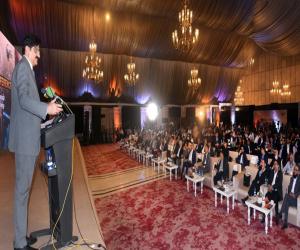
In a significant move towards sustainable development, Pakistan submitted its Nationally Determined Contribution (NDC) in October 2021. The ambitious plan outlines a strategic shift, aiming to achieve 60% reliance on renewable energy, introduce 30% electric vehicles, and impose a ban on coal imports by 2030.
Additionally, the country plans to enhance its commitment to nature-based solutions. This commitment aligns with global efforts to combat climate change and underscores Pakistan's dedication to a cleaner, greener future.
IMF's Approval and Financial Commitment
During a recent meeting with the International Monetary Fund (IMF), Pakistan's proposal to allocate one percent of its gross domestic product (GDP) to address climate change received unanimous approval.
The IMF review mission not only endorsed this financial commitment but also lauded Pakistan's initiatives such as the Green Energy and Billion Tree Tsunami Projects, launched under the Clean Air Policy.
These projects showcase the country's proactive approach in promoting sustainability and combating environmental challenges.
Economic Progress and IMF Satisfaction
In a move reflecting Pakistan's economic resilience, the caretaker government engaged in crucial loan review talks with the International Monetary Fund (IMF).
The IMF expressed satisfaction with the financial deficit and economic growth rate data presented by Pakistan.
According to the Ministry of Finance, the economy's volume reached Rs500,817 billion on September 23, with the financial deficit successfully reduced to Rs964 billion from the targeted Rs2525 billion.
The IMF appreciated Pakistan's prudent fiscal management, highlighting that the federation spent a commendable Rs40 billion in the development budget from July to September.

 Nadia Nawaz