Loadshedding Tightens Its Grip in the Peak of Summer Heat
 Chehra WebDesk
Sadaf Suleman
"We are Lyarian. We have survived floods, crime, poverty. But this
heat with no electricity, this is a different kind of suffering. Quiet
suffering. No one sees it, no one comes." _Abdul
Rehman Brohi, 55 · Retired, Nayabad, Lyari
For millions of citizens across Pakistan, the summer of 2026 has become
a season of suffocating heat and relentless darkness. Scheduled loadshedding
already stretching to 10 to 14 hours daily in many areas, has been compounded
by something worse, unannounced, unplanned blackouts that strike without
warning at any hour, turning a manageable hardship into a daily emergency.
A schedule that means nothing
Published loadshedding timetables were meant to offer predictability.
Instead, they have become a formality. Cuts routinely exceed announced timings
by hours, while pushing families in the
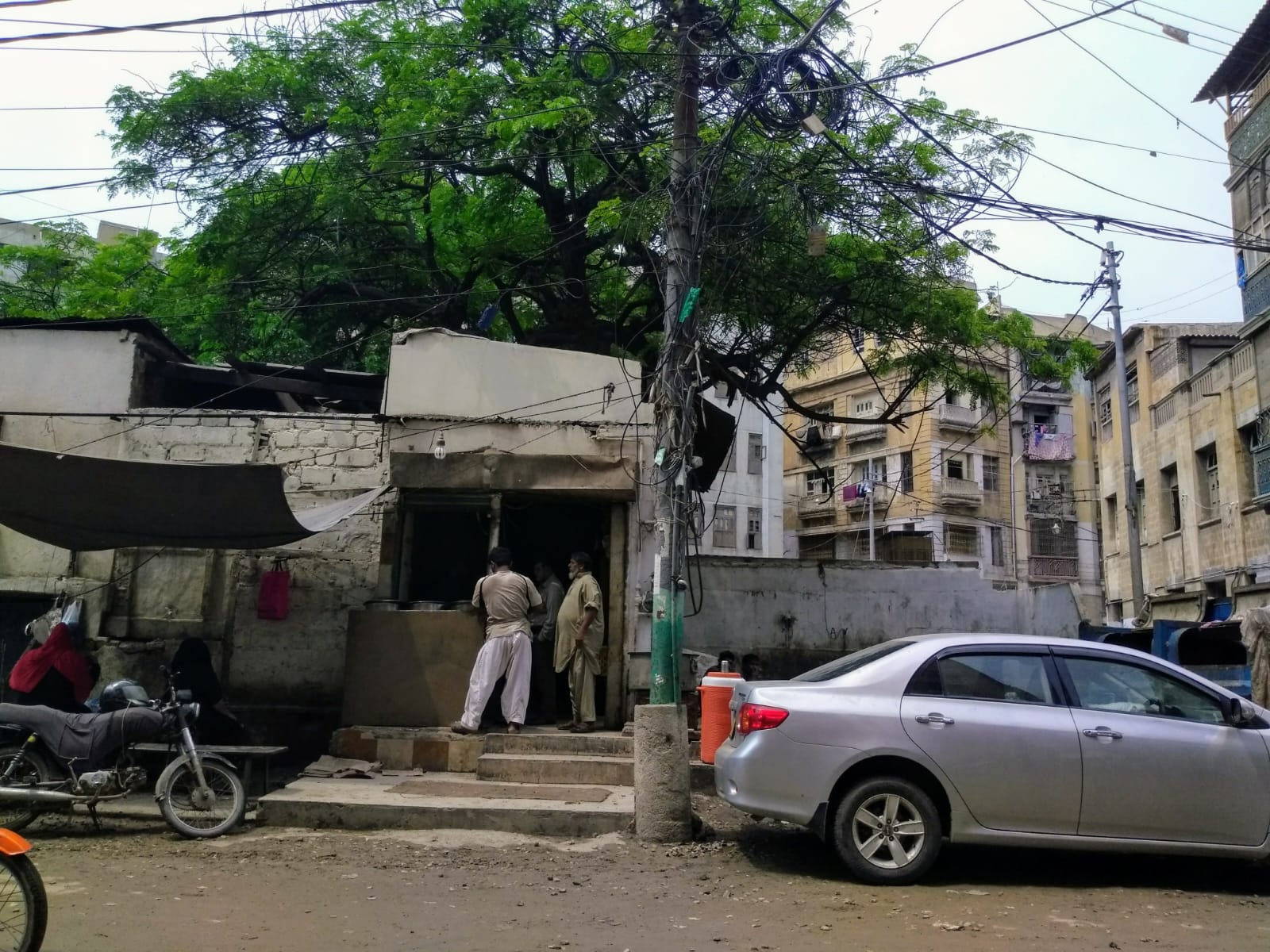
worst-hit areas to 18 or more hours without power. In Lyari, one of Karachi's
oldest and most densely populated township, residents say the schedule exists
on paper alone.
"We have no backup, no generator, nothing, I have a newborn. I sat
fanning her in the dark at 2 a.m. until my arm went numb." — Nadia Baloch, 28 · Mother of three, Agrataj, Lyari
Unannounced cuts: the cruelest blow
The unscheduled outages are what truly break people. They arrive with
zero notice, mid-meal, mid-work, deep in the night. In a city where
temperatures breach 42°C, a sudden midnight blackout is not a nuisance; it is a
health hazard. The elderly, infants, patients on home medical equipment, and
students before exams bear the heaviest cost.
"My husband is diabetic, insulin needs refrigeration. When the
power dies at 2 a.m. without any notice, we panic. We have lost medicine. I am
60 years old and I have never seen Lyari suffer like this." — Hajra Bibi, 60 · Housewife, Lyari
Every life touched, every pocket emptied
The double burden of scheduled and unscheduled cuts tears through daily
life in Lyari. Small traders lose perishable stock with every unexpected trip.
Students cannot study. Home-based workers, the backbone of Lyari's informal
economy find their livelihoods grinding to a halt. Those who pay their bills
faithfully are punished alongside those who do not.
"I run an ice stall. When an unannounced cut comes, everything melts. I pay my bills on time then why do I sit in the dark for 14 hours? I cannot afford a generator. I am barely surviving." — Imran Baloch, Shopkeeper, Lyari

Online classes, offline students
The crisis has cut particularly deep for students whose schools and
universities have shifted to online learning. In Lyari, where internet
connections are already unreliable long hours of loadshedding make attending a
virtual class nearly impossible. Laptops die mid-lecture. Mobile data runs out
as students struggle to use their phones as hotspots. Parents who invested in
second-hand devices for their children's education watch those devices go dark
within hours of a power cut.
For matric and intermediate students already under pressure from
approaching board exams, the situation is especially dire. With no electricity
to charge devices, no stable connection to join video calls, and no quiet or
cool environment to concentrate in, the promise of digital education has become
a cruel joke in the streets of Lyari.
"For my board exams I study at night when it is cooler. But the
power comes and goes as it pleases. I read by phone flashlight until the
battery dies. Now my teacher says join the online class, with what electricity?
Two hours of steady power, that is all I ask."—
Sana, Matriculation student, Lyari
Authorities cite circular debt, aging infrastructure, This is real
problem but they do not explain why bill-paying citizens receive no warning
before an outage, no compensation after one, and no credible timeline for
improvement.
"I have been stitching clothes in this neighbourhood for fifteen
years , my sewing business has stopped. I have four children to feed. Who
answers for this? Nobody." _ Shamim , Lyari
A demand for basic dignity
The people of lyari are not asking for luxury, they are asking for the basic dignity of
knowing when their lights will go out. If loadshedding must happen, it must be
honest, predictable and fair. Unannounced cuts, piled on top of an already
crushing scheduled burden, in the middle of a brutal summer, speak to a system
that has lost its accountability to ordinary citizens.
"My mother used to say Lyari people are made of steel. Maybe that
is true. But even steel melts in enough heat. We are melting. Slowly, quietly,
without anyone noticing and that is the most painful part." _Rukhsana ,40 yrs School teacher, Lyari
Until that changes, the darkness will not just be about electricity, it will reflect a deeper failure of the state toward its people. The lanes of Lyari, already burdened by decades of neglect, deserve better than to be left sweating in the dark, waiting for a power that may or may not come.

Nobody in Lyari is asking for uninterrupted power. They are asking for
honesty, for cuts that happen when they are supposed to, not hours earlier or
later or in the black of night without a word. A state that cannot offer its
citizens that minimum, in 42°C heat, has failed them in the most fundamental
way.
The lanes of Lyari have endured floods, violence, and neglect. But this
sweating through the summer in the dark, children unable to attend online
classes, traders watching their stock rot, mothers fanning newborns at 2 a.m. is a quieter cruelty and it demands a louder
answer.